Why Colombia is the Most Compelling Travel Destination in 2026

on Jun 12, 2026, Updated Jul 04, 2026
This post may contain affiliate links. Please read our disclosure policy.
Why visit Colombia in 2026? I recently returned from ten days visiting four Colombian cities, Bogotá, Pereira, Cartagena, and Manizales, and for the first time in a long time I was not ready to come home.
Colombia just beat London and Berlin for Best International Destination. One in ten species on Earth lives there. You can ride a horse through a UNESCO World Heritage Site, soak in volcanic hot springs, and eat fruit that doesn’t have an English name. And this short list just touches the surface of what you can do in Colombia.
I traveled to Colombia in April, 2026 on a press trip with ProColombia and the Society of American Travel Writers Canadian Chapter. All opinions and observations are my own.
Table of Contents
- 11 Reasons to Visit Colombia in 2026
- 1. Colombia Won Three Major Global Travel Awards in 2026
- 2. Colombia Is One of the Most Biodiverse Countries in the World
- 3. You Can Ride Through Colombia’s UNESCO Coffee Cultural Landscape on Horseback
- 4. Colombian Coffee Is a Reason to Travel, Not Just a Drink to Order
- 5. Colombia’s Hot Springs and Thermal Baths Are Unlike Anything Else in South America
- 6. Colombia Grows Tropical Fruits You’ve Never Tasted
- 7. Cartagena, Colombia Is the Best Walled City in the Western Hemisphere
- 8. Bogotá Is One of South America’s Most Underrated Capital Cities
- 9. Manizales – the Colombia Coffee Region With Fewer Tourists
- 10. Colombia’s Hospitality Is Ranked Among the World’s Best
- 11. Colombia Has Rewritten an Extraordinary Narrative
- Where to Visit in Colombia: A Quick Destination Guide
- Frequently Asked Questions About Visiting Colombia
11 Reasons to Visit Colombia in 2026
1. Colombia Won Three Major Global Travel Awards in 2026
In 2026 alone Colombia won three major global travel awards! And based on my expereince, they are all richly deserved.
- Cartagena won Best International Destination at the Food and Travel Awards, beating London, Berlin, and top European and Asian cities
- Barranquilla became the first Colombian city to win World’s Top Creative Destination at the 2026 Global Tourism Awards, out of 223 nominations from 28 countries
- Booking.com named Barranquilla one of the ten must-visit destinations on the planet for 2026, alongside Philadelphia and Bilbao
- Five Colombian regions — including the Coffee Region departments of Caldas and Quindío — ranked among the world’s most welcoming destinations in the 2026 Traveller Review Awards, based on 370 million verified traveler reviews
2. Colombia Is One of the Most Biodiverse Countries in the World
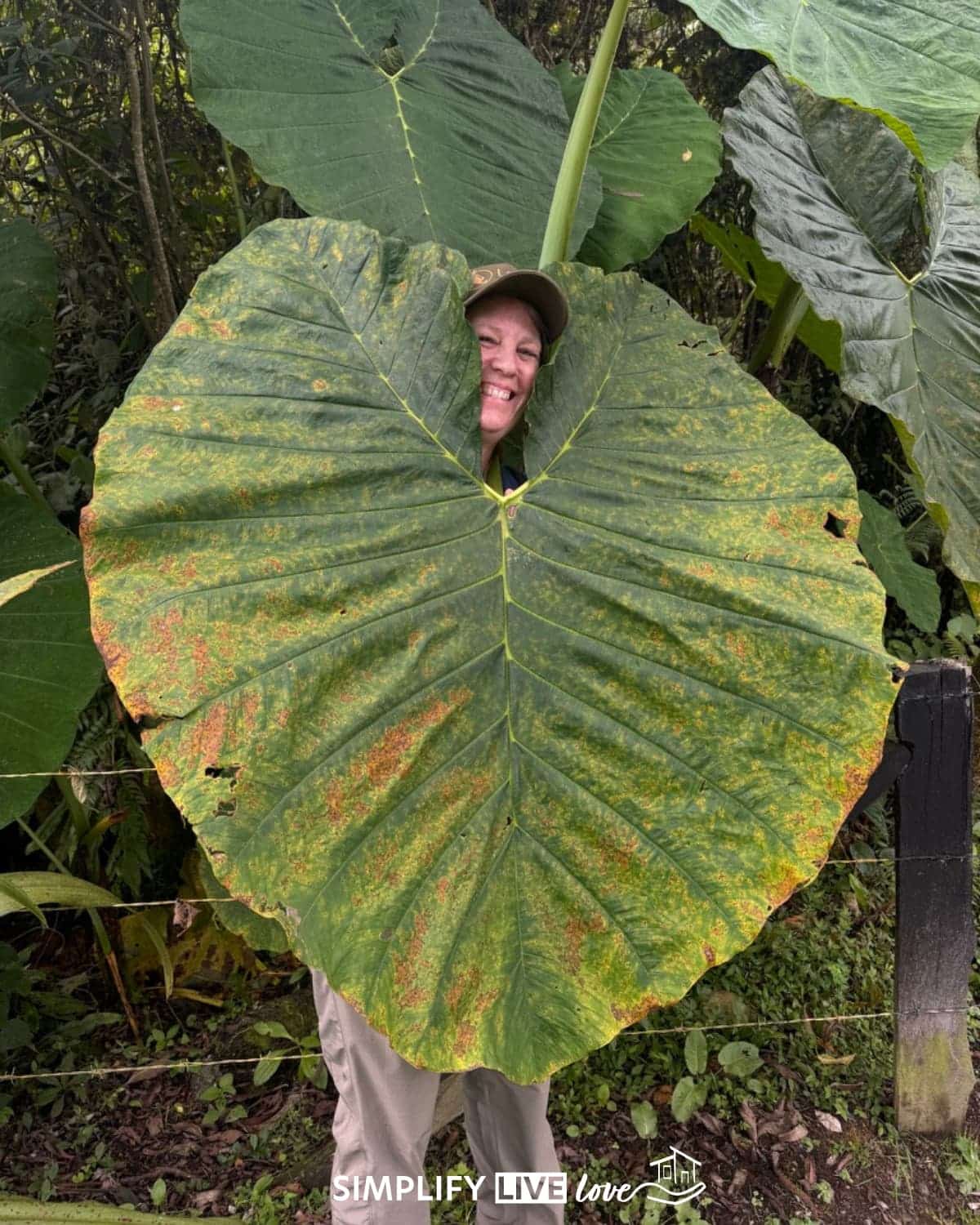
Colombia doesn’t just have a lot of plants and animals. It holds world records! Check out these statistics shared by ProColombia, Colombia’s official tourism promotion agency:
- #1 in the world for bird species — 1,954 species, nearly one in five birds on Earth
- #1 in the world for orchid species — over 4,200, of which 1,572 exist nowhere else
- #1 in the world for butterfly species
- #2 globally for plants, amphibians, and freshwater fish
- 63,000+ total species registered, with 14% found only in Colombia
One in ten of all species on Earth lives in Colombia. Just amazing!
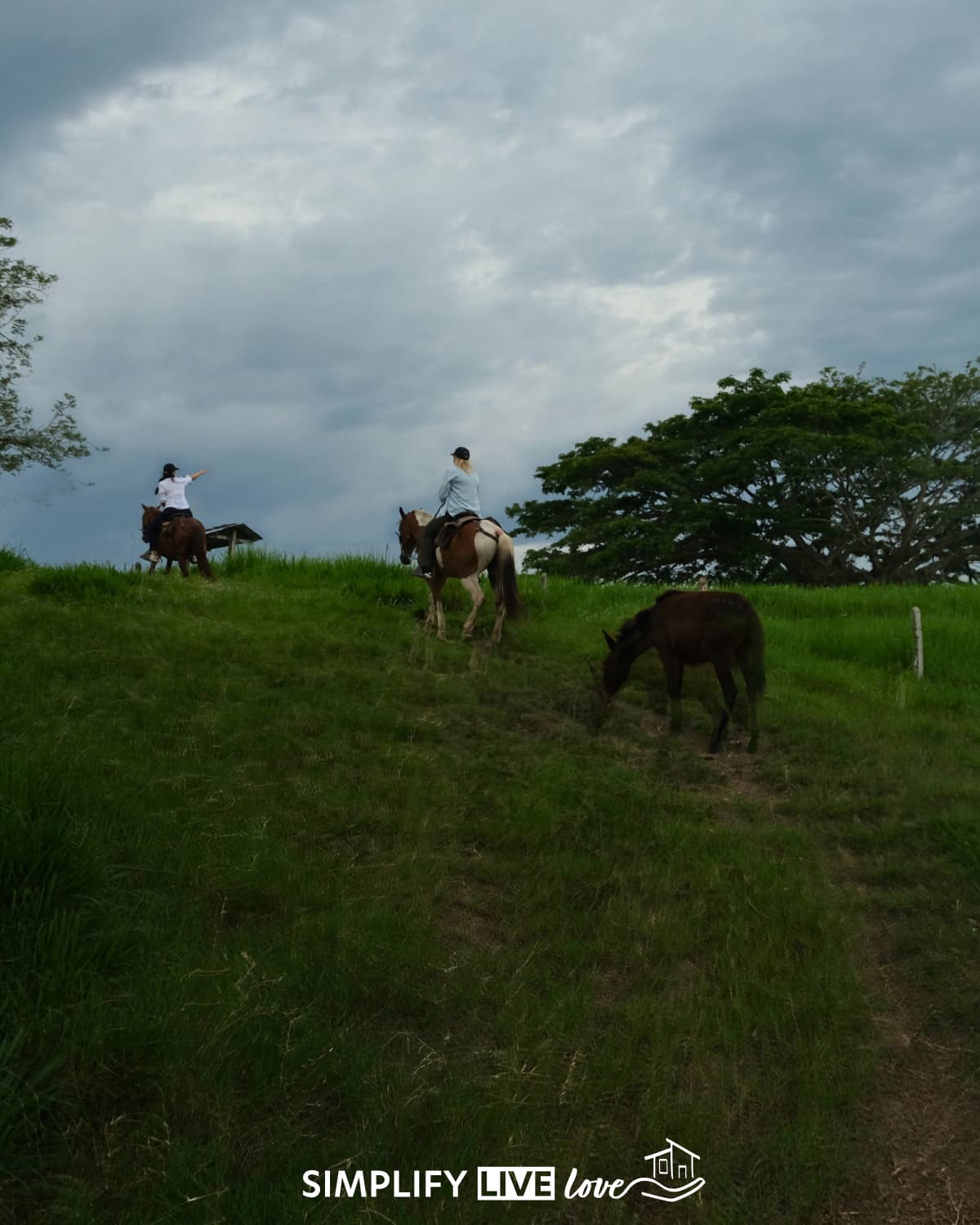
3. You Can Ride Through Colombia’s UNESCO Coffee Cultural Landscape on Horseback
The Paisaje Cultural Cafetero, Colombia’s Coffee Cultural Landscape, earned its UNESCO designation not for a single monument, but for an entire living system: people, crops, terrain, and tradition woven together across generations of Andean farming.
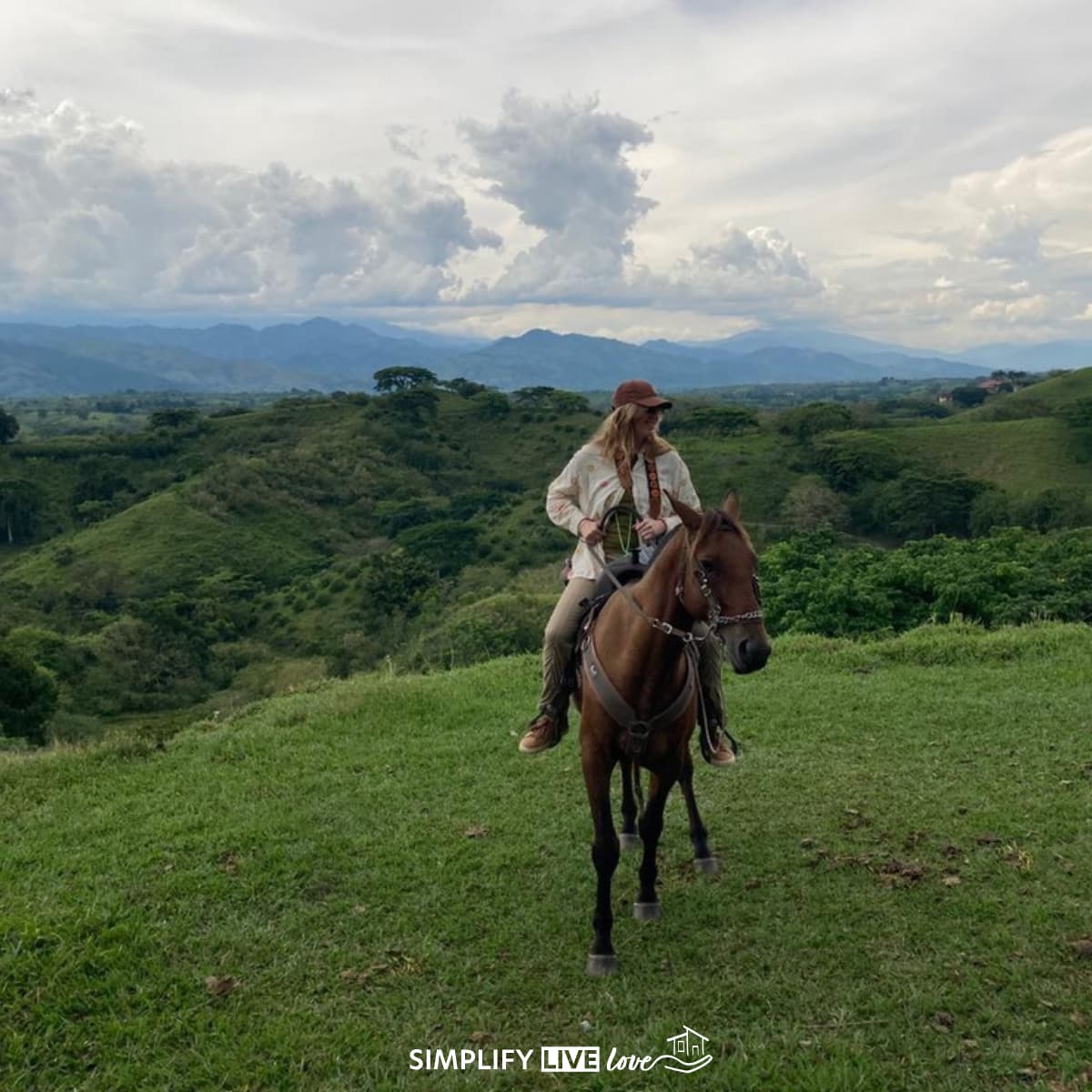
Don’t observe this landscape from a bus. Instead, ride through it on horseback at Hacienda Santa Mónica, with the Andes rolling out in every direction. On my ride, a foal trailed behind its mother the entire route. A dog named Pippa appointed herself our guide. Gir cattle, an Indian breed with magnificent floppy ears, grazed the hillside and charmed me their grace and quiet calm.
This is not a museum exhibit. It’s a working landscape, and it’s so beautiful!
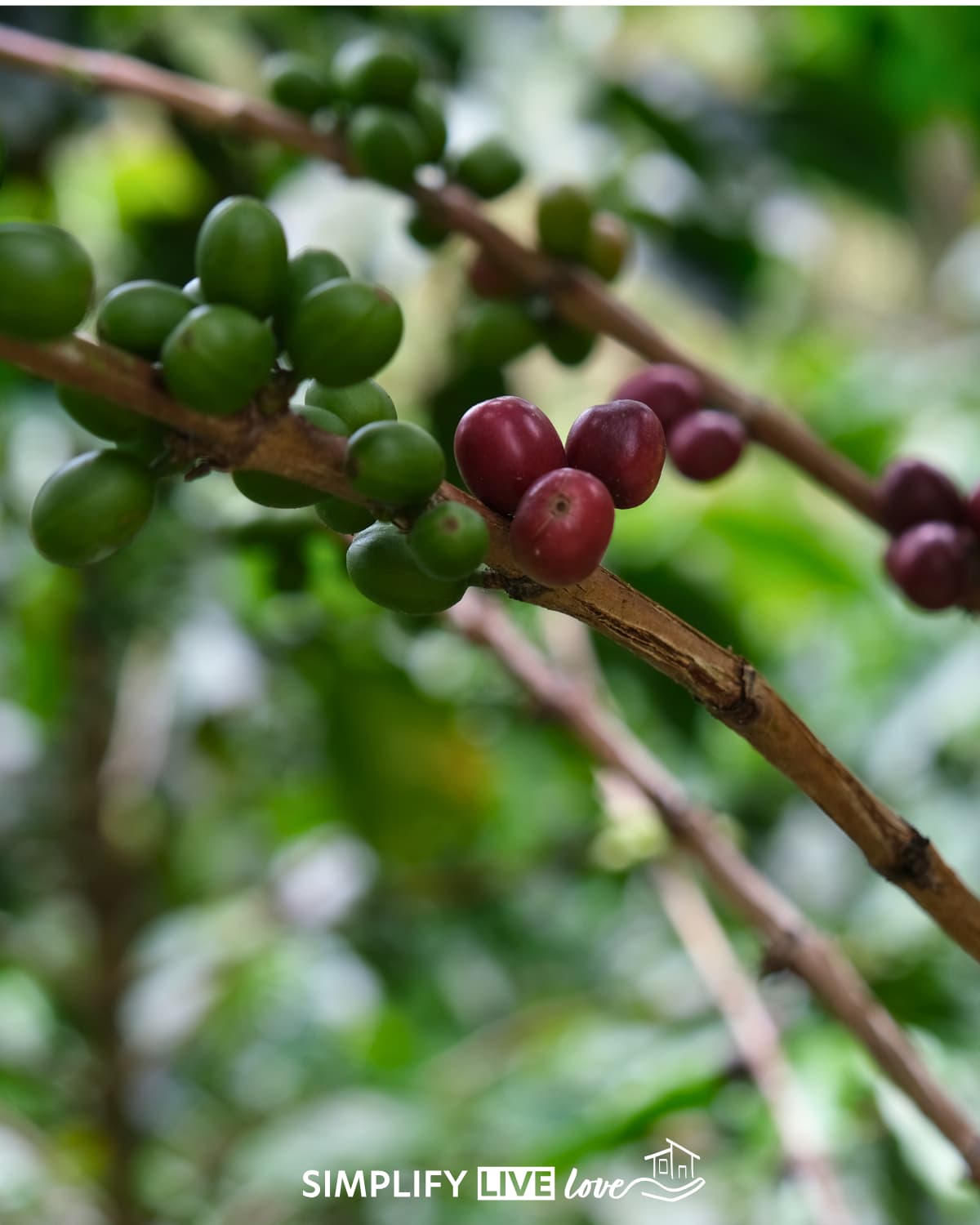
4. Colombian Coffee Is a Reason to Travel, Not Just a Drink to Order
Colombia produces some of the world’s finest Arabica coffee. What most people don’t know is what it means to stand on the slope where it grows.
At Finca Don Manolo and Hacienda Venecia in the Coffee Region, I watched the full process: seed to seedling to harvest to cup. Every bean has to be picked by hand because the coffee cherries ripen at different times and the hillside is steep. The process is made even more interesting because altitude and microclimate of each specific hillside shape the flavor in the cup. Learning about all of this when you visit is super interesting.
Colombian coffee culture is a living argument for slowness. In a world that rewards speed, it shows you when it’s good to slow down and savor your life.
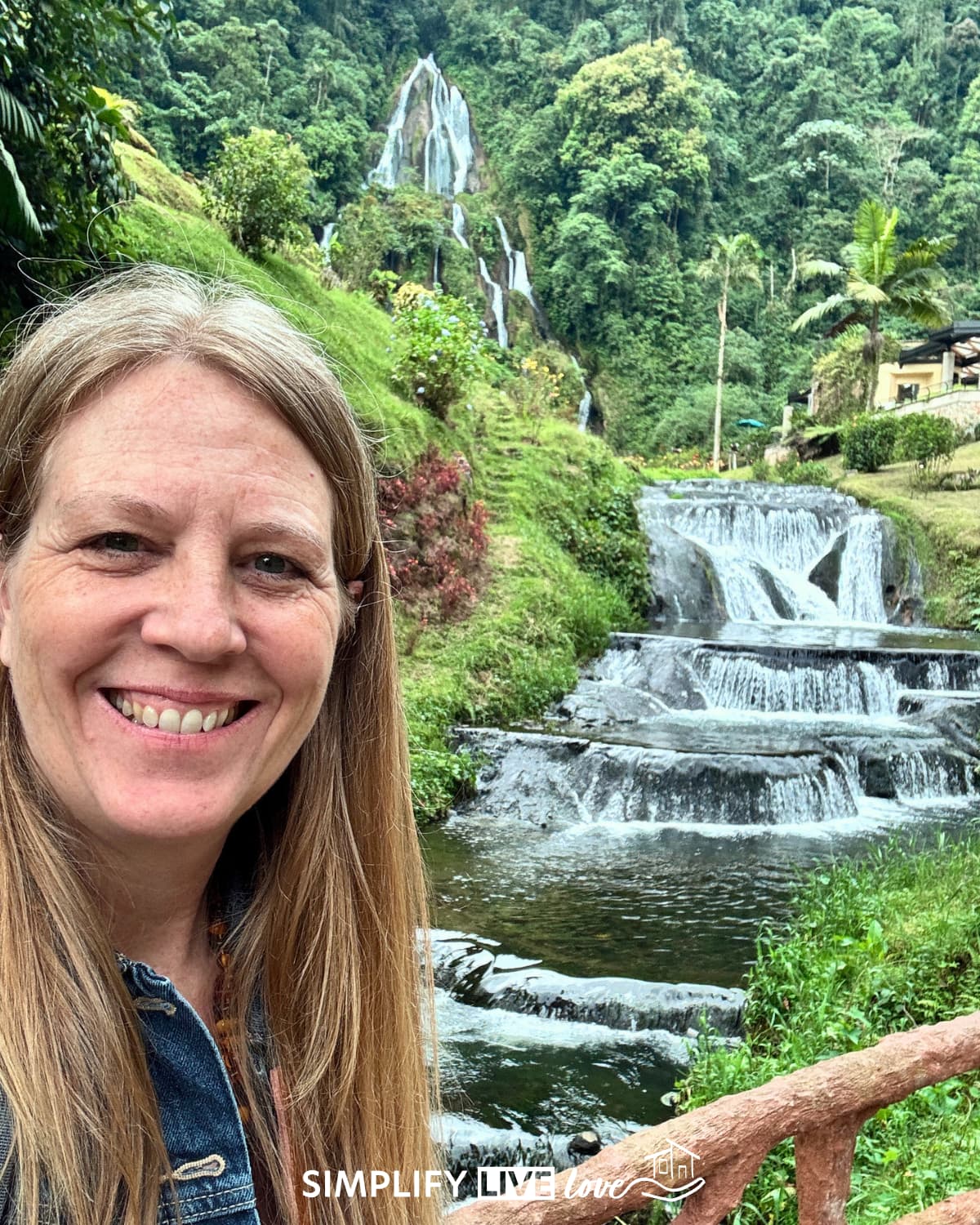
5. Colombia’s Hot Springs and Thermal Baths Are Unlike Anything Else in South America
Colombia sits on a ton of geothermal activity. Some of it has been very destructive, but it also provides great rewards for travelers like thermal springs and beautiful resort pools.
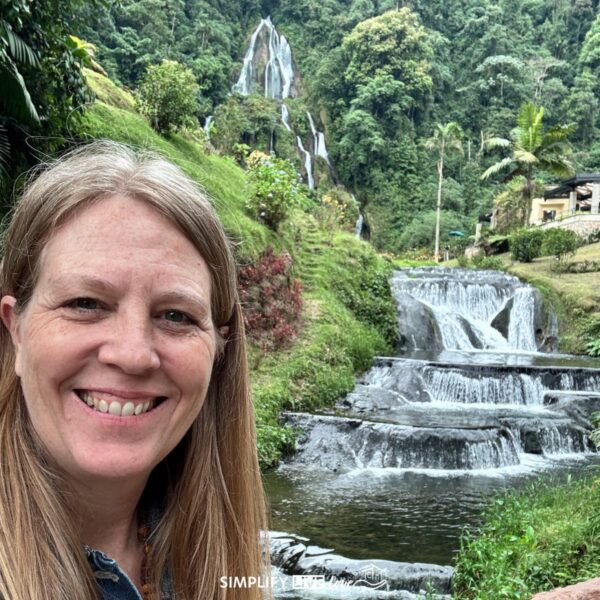
Santa Rosa de Cabal, outside Pereira, delivers hot springs that bubble up in a pools as a cool cascade of waterfalls tumble down the mountain. Hot spring water, cool mountain mist, lush green forests, and the opportunity for a cool plunge in the waterfalls. It’s one of the most dramatic natural hot spring experiences I’ve ever had!
Pin this now to find it later
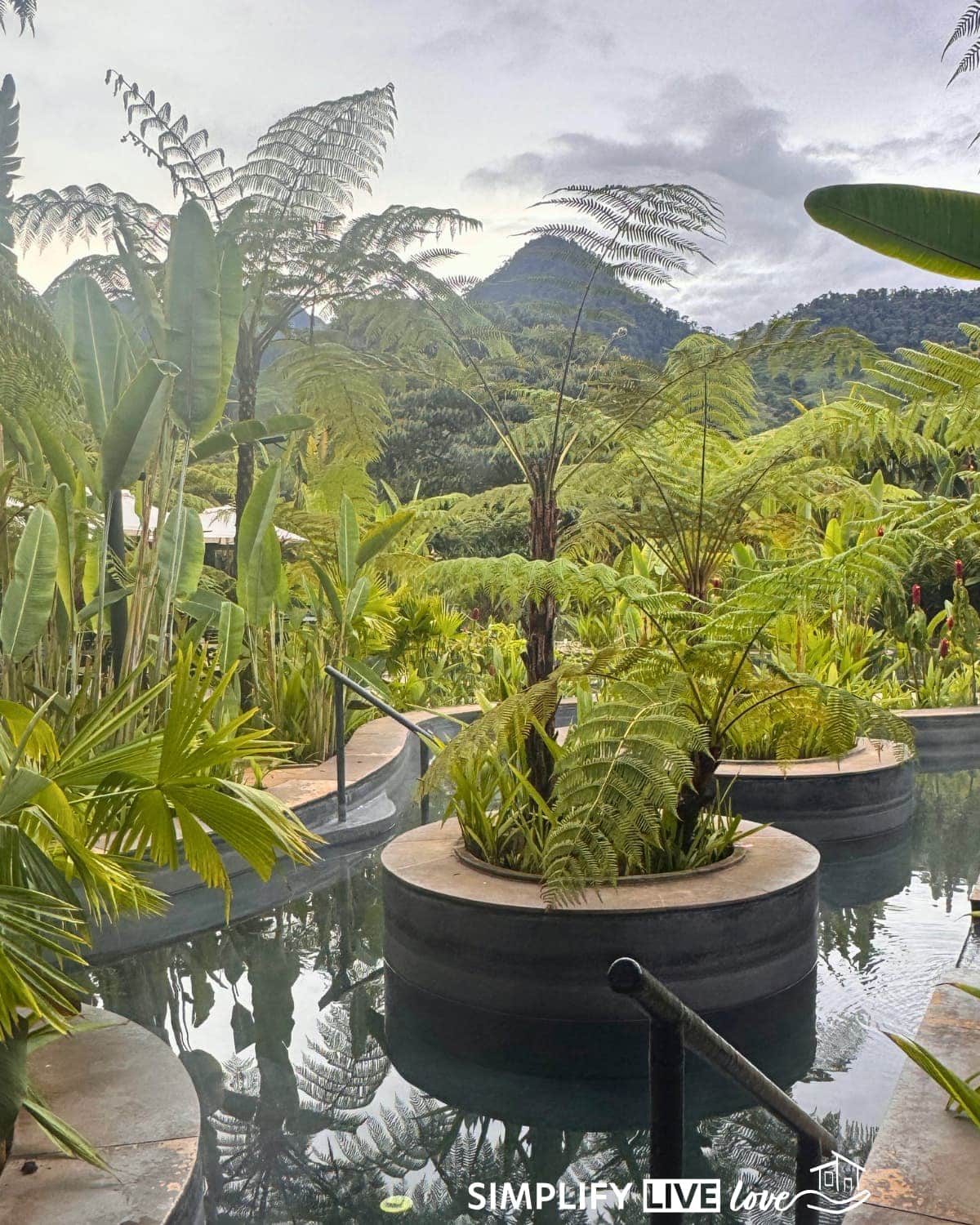
Pin ItTermales El Otoño is a lovely resort in Manizales. With numerous soaking pools that get their water from 6,600 feet underground, it’s a lovely place to stay. I soaked there after a full day of travel and the most amazing mule ride. It was a great way to end a busy travel day.
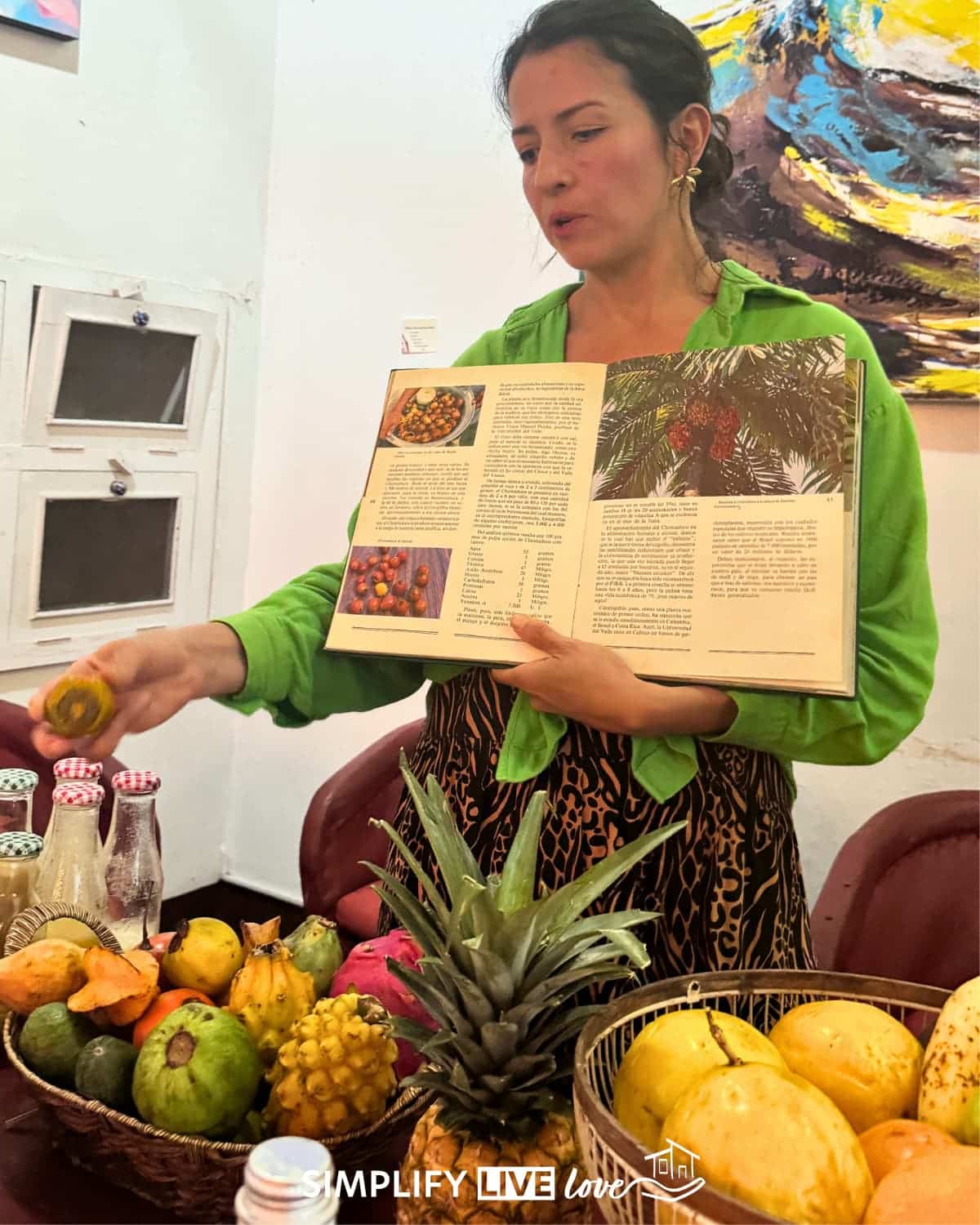
6. Colombia Grows Tropical Fruits You’ve Never Tasted
Colombia grows fruits that most travelers have never encountered — because some of them simply don’t grow anywhere else!
At Hacienda Castilla in the Coffee Region, I tasted:
- Lulo — tart, citrusy, somewhere between a tomato and a lime
- Guanábana — white flesh, tropical sweetness, tastes like coconut and strawberry
- Maracuyá — passion fruit at full Colombian intensity
- Pitahaya, uchuva, tomate de árbol — each one a discovery, some more interesting than others
And then there was chontaduro — a starchy, dense Amazonian palm fruit that Colombians eat with salt or honey. I tried it. I respect people who like it, but I don’t have to eat it again.
Really loved this first hand sample of Colombian biodiversity during this amazing fruit tasting!
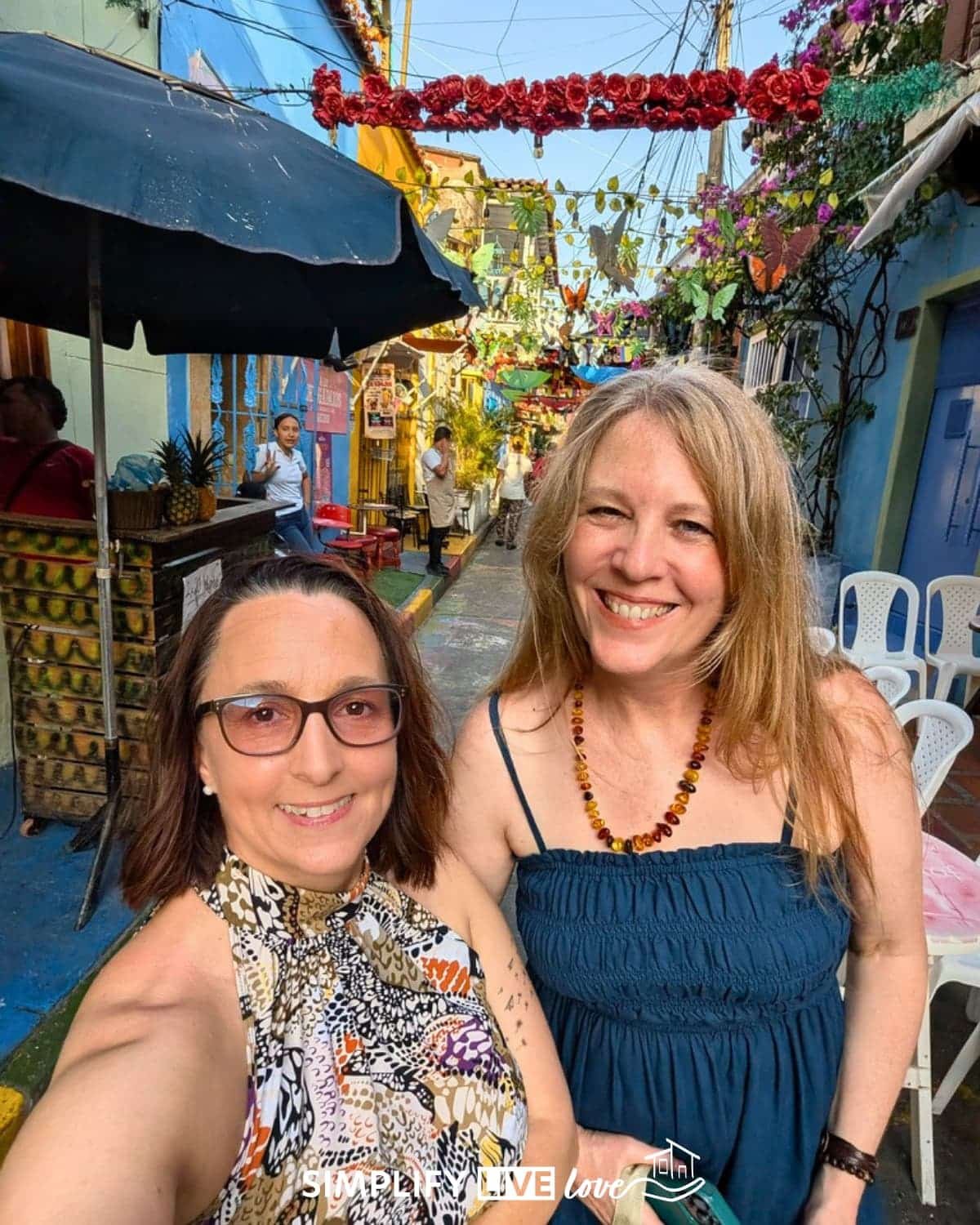
7. Cartagena, Colombia Is the Best Walled City in the Western Hemisphere
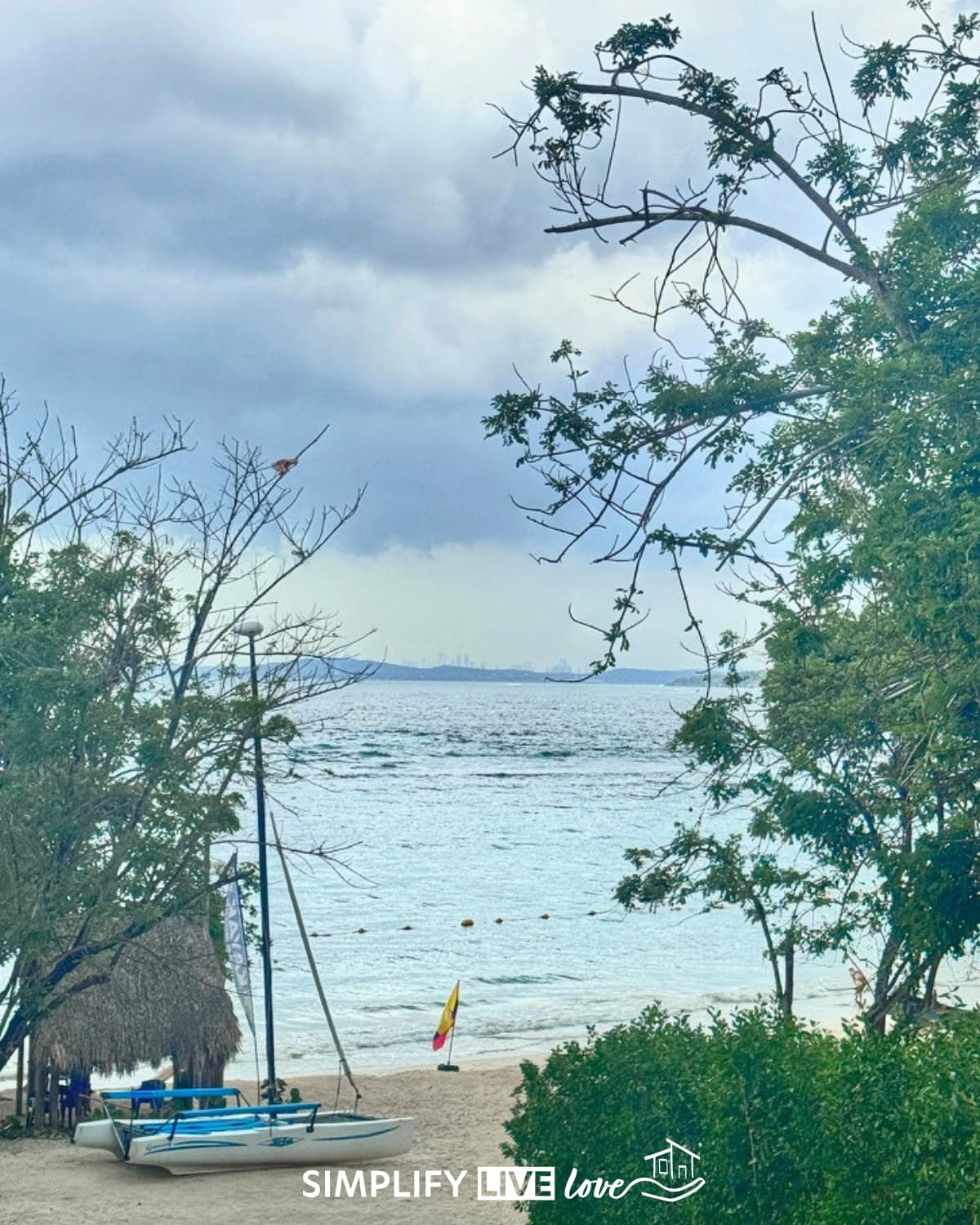
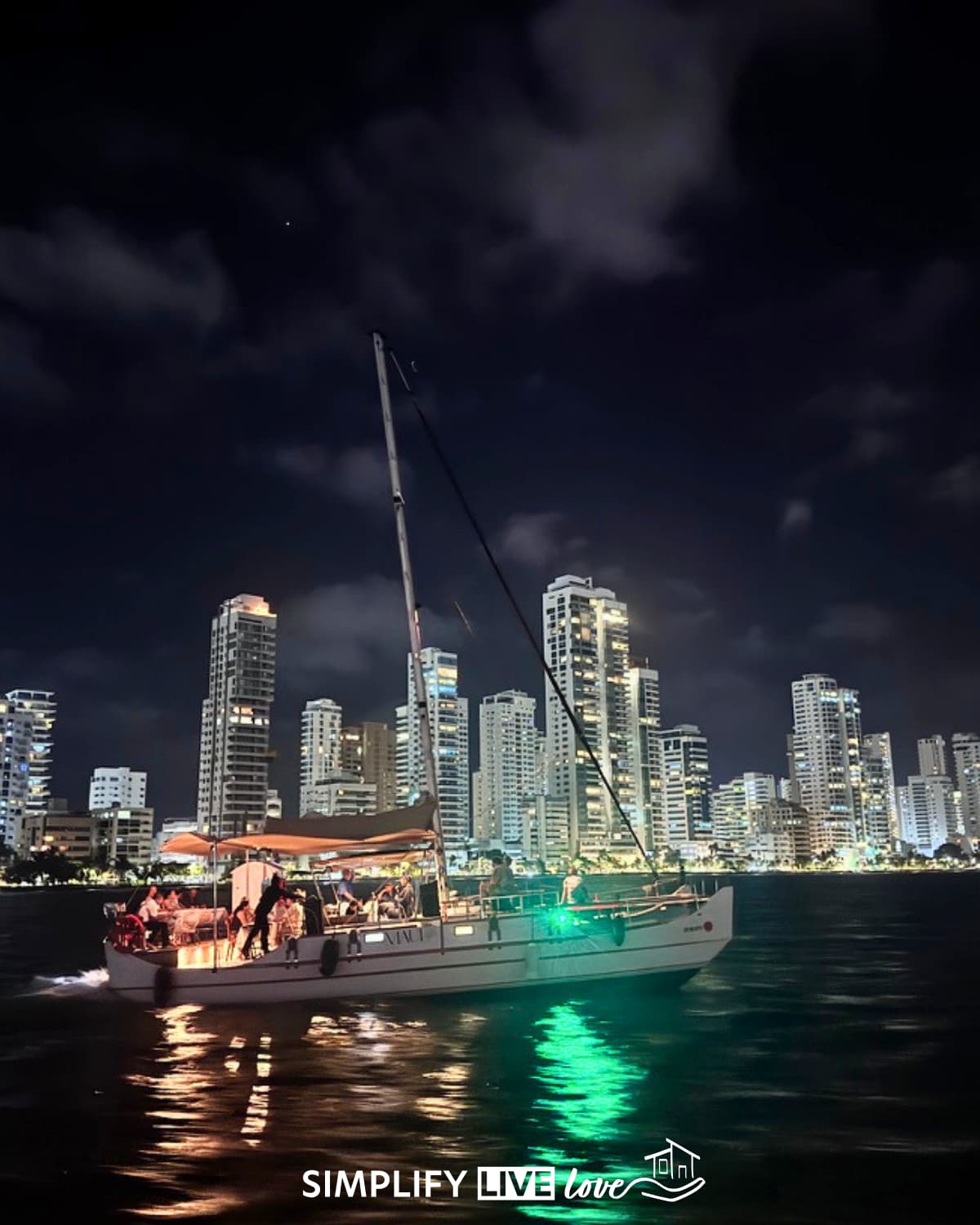
Cartagena won Best International Destination in 2026 for a reason that no award committee invented: authenticity. The city doesn’t replicate European or North American models of tourism. It shows off its own Caribbean identity and invites you into it.
What you’ll experience in Cartagena:
- A walled Old Town draped in bougainvillea, with cobblestones worn smooth by five centuries of foot traffic
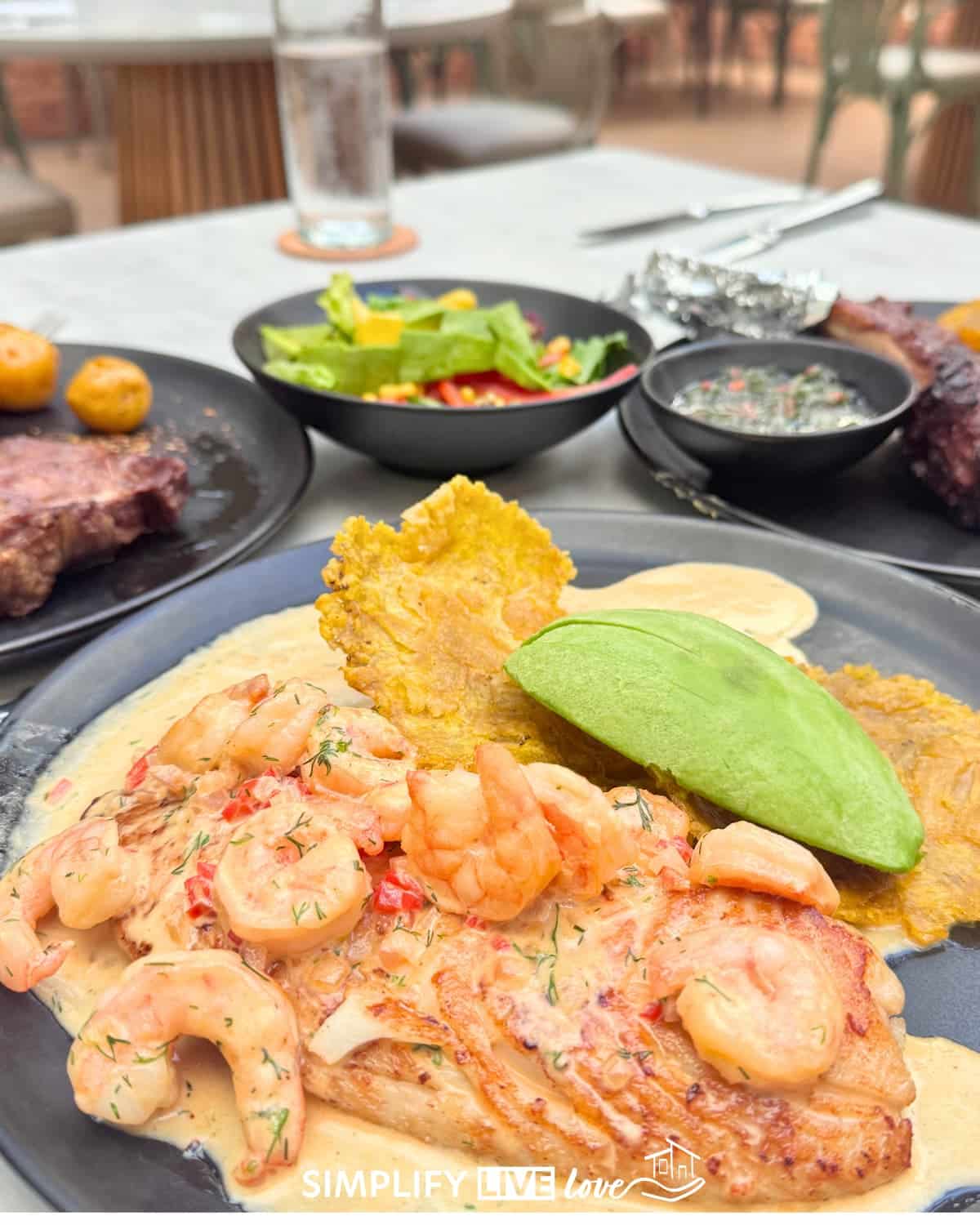
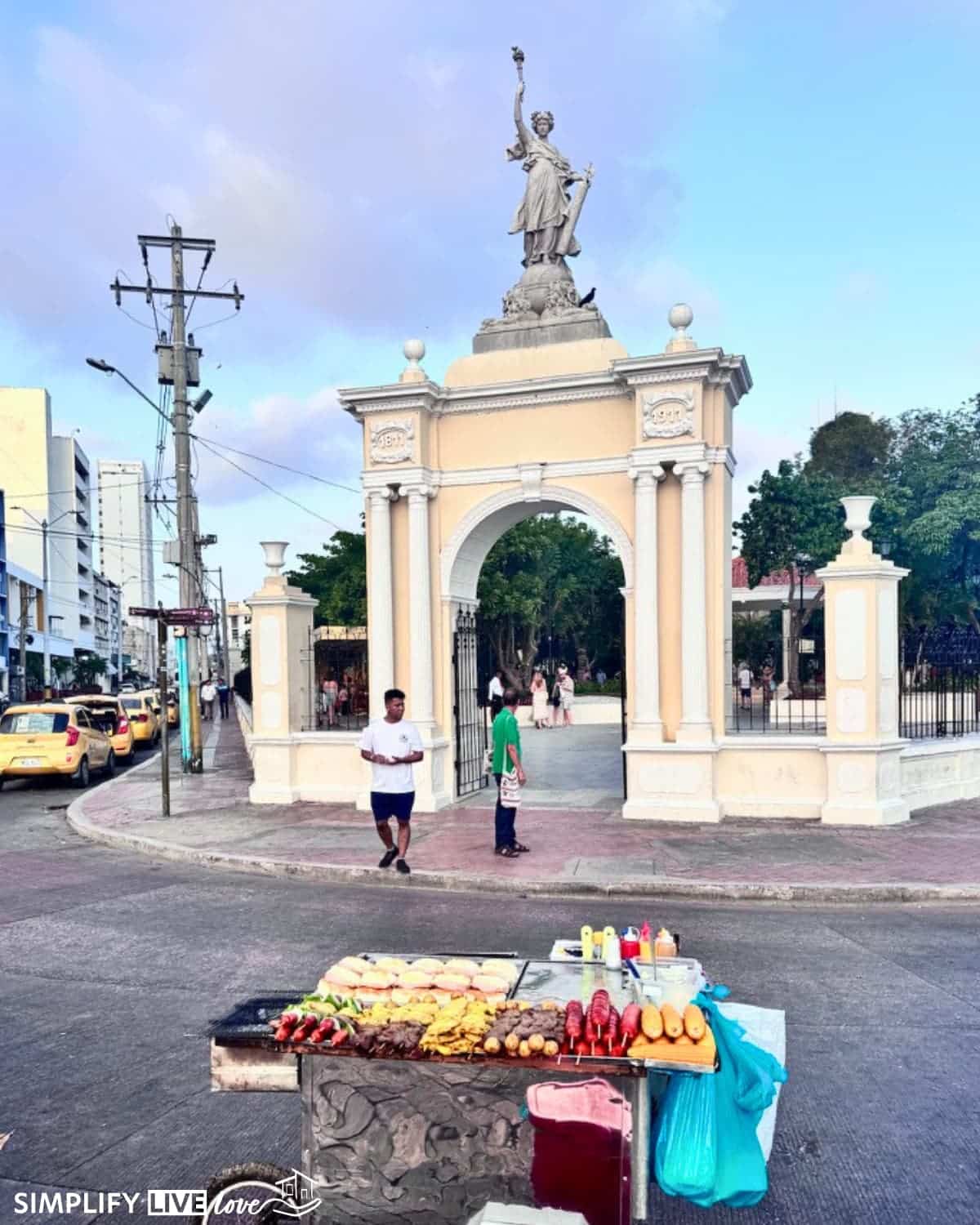
- A culinary scene that draws on Caribbean, African, Spanish, and Indigenous traditions simultaneously
- Getsemaní — the neighborhood adjacent to the Old Town where street art covers every wall and local life runs alongside tourist life without apology
- Caribbean heat that makes every shaded archway and cold drink feel earned
- A complex colonial history complex
A stunning city waiting to be explored!
8. Bogotá Is One of South America’s Most Underrated Capital Cities
Most travelers (including me) pass through Bogotá as a transit point. That’s a mistake.
Colombia’s capital at 2,600 meters elevation forces you to slow down immediately because the altitude demands it. Use that enforced slowdown to notice what’s around you:
- La Candelaria — the historic center, with colonial churches, street murals, and the extraordinary Gold Museum
- Usaquén — a neighborhood of Sunday markets, excellent restaurants, and converted colonial houses
- The cycling infrastructure — Bogotá has one of the most extensive urban cycling networks in Latin America, with over 550 kilometers of bike lanes
- A food scene that’s one of the most exciting in South America
Give Bogotá 24 hours minimum. I wish I had had more time to explore.
9. Manizales – the Colombia Coffee Region With Fewer Tourists
Manizales sits at 2,160 meters in the heart of the Coffee Region — cooler, mistier, and less visited than its neighbors Pereira and Salento.
What it offers that you will enjoy:
- Chipre viewpoint — a panoramic overlook of the Andes valley
- Termales El Otoño — the volcanic thermal baths described above
- Hacienda Venecia — one of Colombia’s most acclaimed working coffee estates
- Direct access to Los Nevados National Park — snowcapped volcanic peaks above the cloud line
- A tango culture so popular that the city has its own Calle del Tango, a street of bars dedicated to tango
10. Colombia’s Hospitality Is Ranked Among the World’s Best
Colombia’s warmth is mentioned in many travel articles. Tourists show up expecting something more guarded any find just the opposite.
The 2026 Traveller Review Awards, based on 370 million verified reviews, not editorial opinion, recognized five Colombian regions among the world’s most welcoming. Boyacá (a Colombian department – similar to a US state) received the recognition for the third consecutive year.
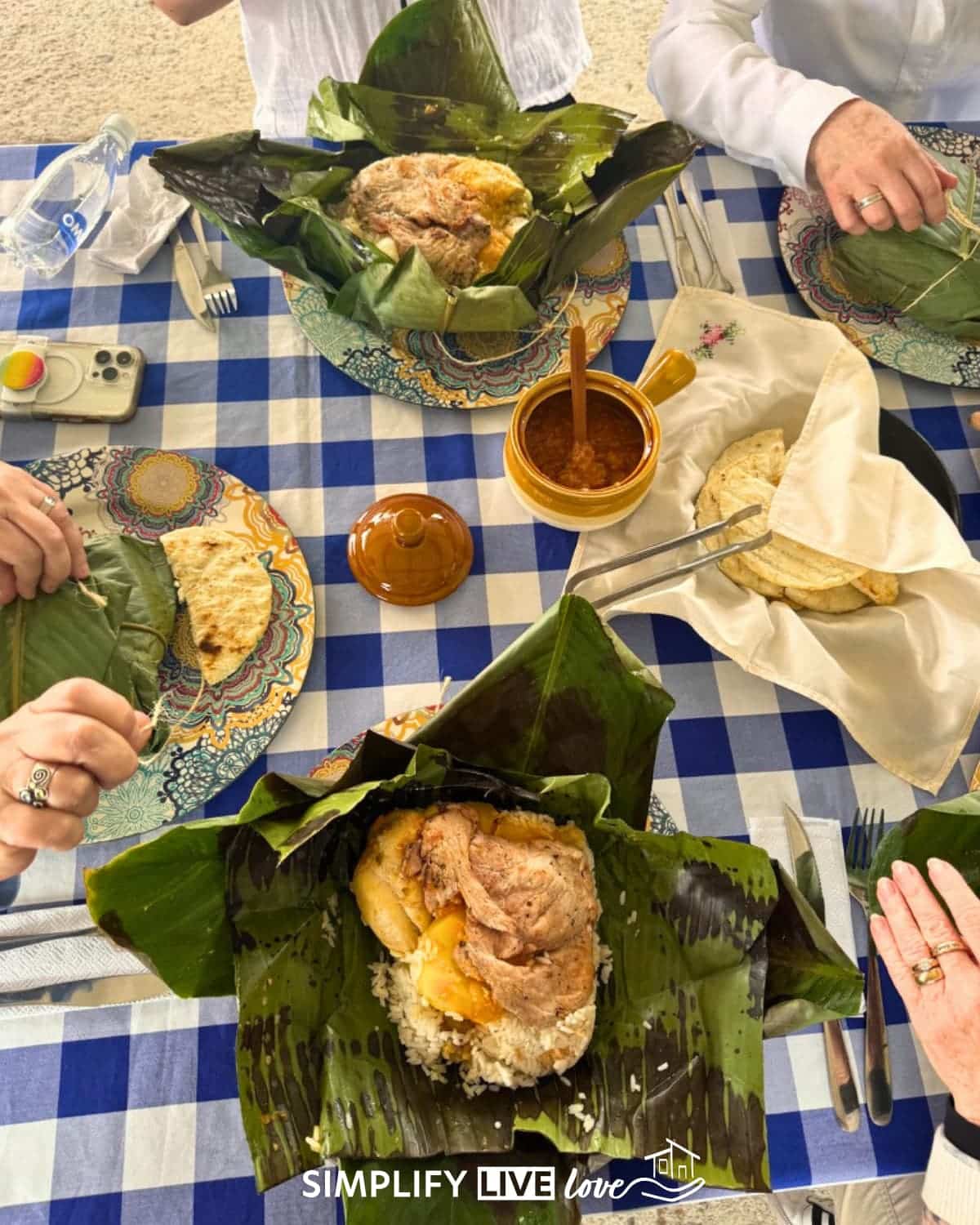
I experienced it in smaller moments: a guide at Finca Don Manolo who explained the coffee process with the patience of someone who wants you to understand, not just be impressed. A hotel team at Sazagua who treated the property’s birds and banana-stealing squirrels as fellow guests worth introducing. A city of Cartagena that shares its streets with tourists without resentment.
Colombia’s hospitality is just so real.
11. Colombia Has Rewritten an Extraordinary Narrative
For decades, Colombia’s reputation was drugs, cartels, violence, and Pablo Escobar. Colombia’s violent past need to be acknowledged. The country lost a huge number of its own people to conflict, narcotrafficking, and decades of civil war before it found its way out with the 2016 peace agreement after 52 years of armed conflict.
Medellín, once labeled the murder capital of the world, won the Urban Land Institute’s Most Innovative City award in 2013, beating New York and Tel Aviv, and took the Lee Kuan Yew World City Prize in 2016, the most prestigious urban planning award on the planet. A city that was infamous for cartel violence is now a benchmark for what can be.
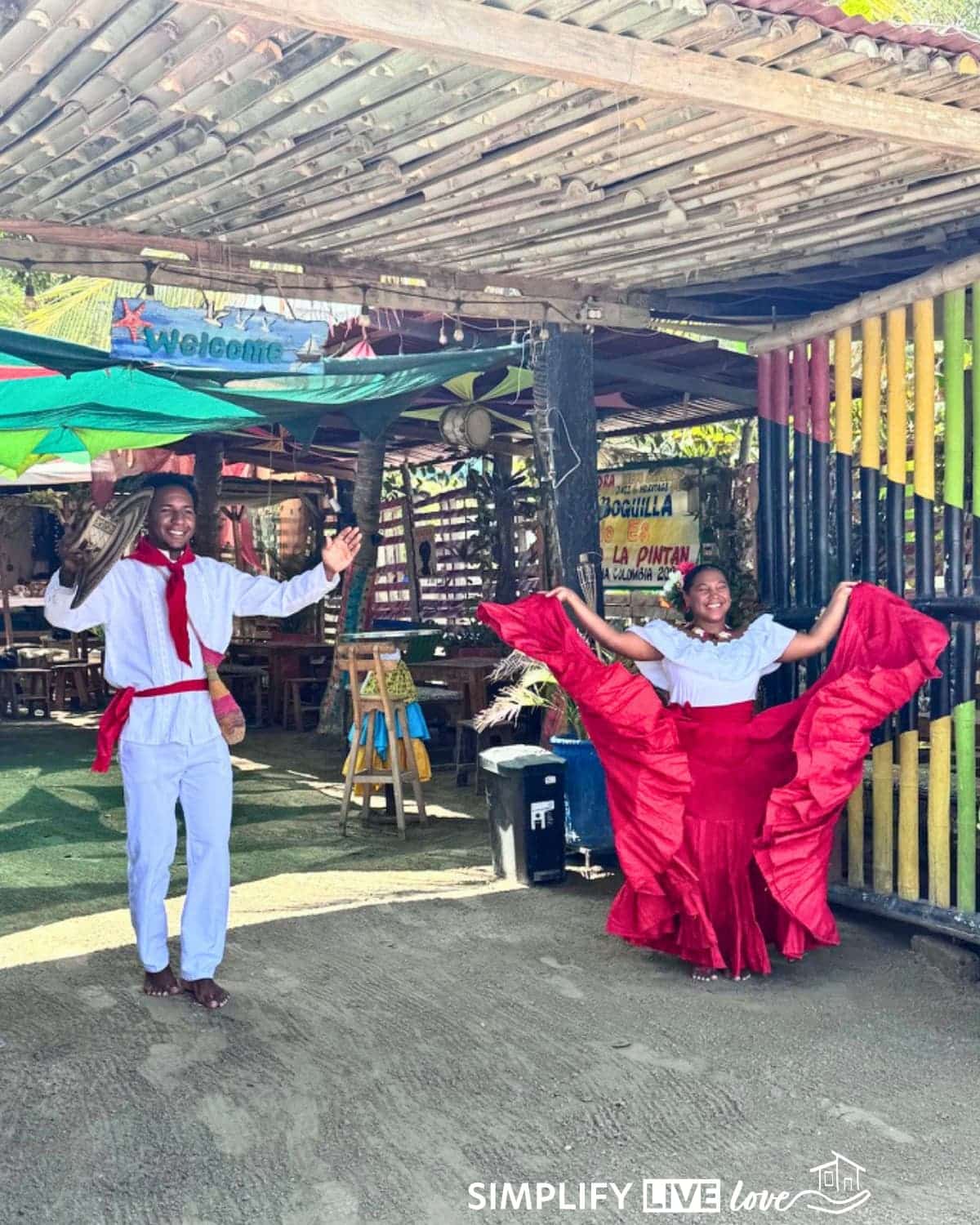
The rewriting of Colombia’s national narrative has been hard work, costly, and driven by Colombians themselves. It happened because a country decided it was more than the worst chapter of its story and set about proving it. By investing in tourism infrastructure, through peace processes, and opening their haciendas, beaches, cloud forests and their drumming circles, they’re showing the world just who they are.
International visitor numbers are projected to grow 10% annually through 2026, reaching $17 billion in tourism revenue. Growth is spreading beyond Bogotá and Cartagena into the Coffee Region, the Sierra Nevada, and the Amazon.
ProColombia, the country’s official tourism promotion agency, calls it “Colombia, the Country of Beauty.” Having stood in its orchid-draped cloud forests, ridden its UNESCO hillsides, soaked in its volcanic springs, and eaten its indescribable fruits — I’d drop the qualifier. It’s not Colombia the Country of Beauty. It’s Colombia. And I can’t wait to go back.
Where to Visit in Colombia: A Quick Destination Guide
| Destination | Best For | Don’t Miss |
|---|---|---|
| Bogotá | History, food, urban culture | Gold Museum, La Candelaria, Usaquén |
| Pereira | Coffee region entry point, thermal springs | Santa Rosa de Cabal, Hotel Boutique Sazagua, Hacienda Santa Mónica |
| Cartagena | Caribbean history, food, nightlife | Old Town, Getsemaní, Barú Island |
| Manizales | Deep coffee culture, mountains, thermals | Hacienda Venecia, Chipre, Termales El Otoño |
| Medellín | Urban transformation, innovation, nightlife | El Poblado, Guatapé, cable cars |
Frequently Asked Questions About Visiting Colombia
US citizens do not need a visa to visit. Canadians have to pay $85 for their visit, however.
Colombia’s climate varies by region. Cartagena is best December through April (dry season). The Coffee Region and Bogotá experience two rainy seasons (April–May and October–November) but are visitable year-round. Rain in the coffee mountains is atmosphere, not a deal-breaker.
Major tourist areas — Cartagena, Bogotá’s main neighborhoods, the Coffee Region, Medellín’s El Poblado are safe for travelers who use standard urban awareness. Colombia has invested significantly in tourism infrastructure and security over the past decade. I traveled solo as a woman across four cities and felt safe throughout although I was mostly with guided groups.
Domestic flights are affordable and frequent. Avianca and LATAM connect all major cities. Uber and Cabify operate reliably in Bogotá, Medellín, and Cartagena. Ground transfers in the Coffee Region are typically arranged through your hotel or tour operator.
Pack for different climates if you’re visiting multiple regions. Cartagena demands lightweight, breathable clothing and SPF 50+. Bogotá and Manizales need layers and a rain jacket. The coffee region requires solid shoes. Mud is real there.
December is said to be a great time to visit Colombia, Cartagena specifically. The Caribbean coast’s dry season runs December through April, meaning hot sunny days, low humidity, and minimal rain.
Cartagena in December is also festive: the city celebrates the Novidades (Festival of the Little Candles) in early December, when streets and balconies fill with candles and flowers. Hotel prices rise and crowds build toward Christmas and New Year’s, so book accommodations early.
The Coffee Region is pleasant in December as well, cooler and drier than the rainy months making it a strong shoulder-season choice to visit Colombia.
Ten days covers Bogotá, Cartagena, and the Coffee Region at a reasonable pace. Two weeks allows you to add Medellín or the Caribbean coast. Don’t try to see everything on a first trip. In my opinion, Colombia warrants return visits.
Read more about visiting Colombia
- Manizales + Pereira: Two Cities in Colombia’s Coffee Region
- I Googled “Is Colombia Safe” 47 Times. Then I Just Went.
- Cartagena Has Two Faces. Most Tourists Only See One.