What to Plant in July: A Zone 5 Guide for a Fall Harvest

on Jun 28, 2026
This post may contain affiliate links. Please read our disclosure policy.
Think July is too late to plant a garden? In Zone 5, it’s just the start of round two. Here’s exactly what to plant in July for a productive fall harvest.
If you think your growing season is winding down in July, I have good news: it’s not even close. In fact, July is one of the best months to plant for round two of your garden.
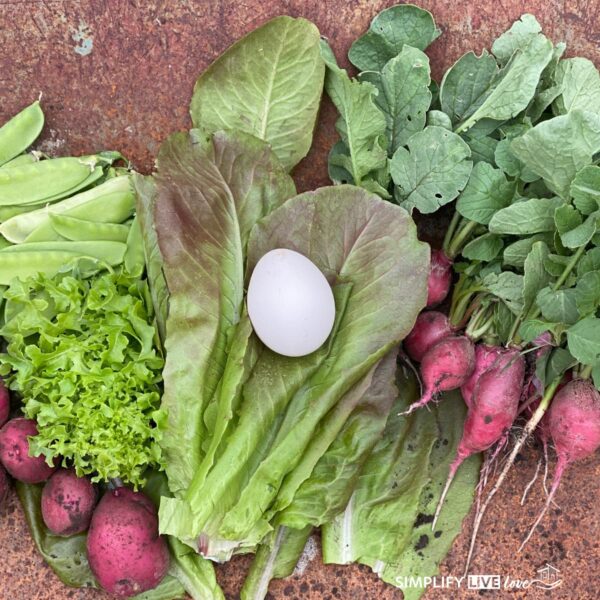
By now you’ve probably harvested your spring lettuce, radishes, and peas, and you might be staring at some empty space in your garden beds. Don’t let that soil sit empty. With my average first frost date here in Eastern Iowa around October 10th, that gives me roughly 13 weeks of growing season left on July 1st — plenty of time for a long list of vegetables to go from seed to harvest.

Here’s exactly what to plant in July if you’re gardening in Zone 5, plus how to figure out what will work for your specific frost date.
Table of Contents
Is It Too Late to Plant a Garden in July?
Not even close, as long as you’re choosing the right crops.
The trick is working backward from your first frost date. I’ve written before about starting a fall vegetable garden, where I walk through how to use your frost date and a crop’s “days to maturity” to figure out your last safe planting date. That same math applies in July, just with more wiggle room than you’ll have in August.
Use the Zone Finder tool to find your average first frost date if you don’t already know it. Once you have that date, subtract the number of days a crop needs to mature (plus a week or two of buffer for slower fall growth), and you’ll know your planting deadline.
Zone 5 July Planting Calendar
Here’s a quick-reference table for what you can still plant in July, based on a first frost date around October 10th. If your frost date is earlier or later, adjust accordingly.
| Vegetable | Days to Maturity | Latest Planting Date (Zone 5) |
|---|---|---|
| Bush beans | 50–55 days | Mid-July |
| Carrots | 70–80 days | Late July |
| Beets | 50–60 days | Late July to early August |
| Swiss chard | 50–60 days | Early August |
| Kale | 55–75 days | Late July |
| Bok choy | 45–60 days | Early August |
| Spinach | 40–50 days | Late August to early September |
| Leaf lettuce | 30–50 days | Succession sow through August |
| Radishes | 25–30 days | Succession sow through September |
| Broccoli (transplants) | 70 days from transplant | Plant transplants by mid-July |
Pin this now to find it later
Pin ItAs summer heat peaks and soil temperatures rise, certain plants actually thrive in those warm conditions. Bush beans and pole beans are great choices for sequential planting — they’re resilient in hot weather, can be direct sown, and mature quickly enough to give you a plentiful harvest before fall frost.
Swiss chard is another standout for July. It’s hardy enough to handle both summer heat and a light fall frost, which makes it ideal for succession sowing right through the rest of the summer.

Heat-Tolerant Greens to Plant in July
Most greens prefer cooler weather, but these varieties can handle July heat and will keep producing if you give them consistent water:
- Bok choy
- Mustard greens
- Asian greens like tatsoi, mizuna, and Tokyo bekana
- Baby kale (water generously)
- Green leaf lettuce
- Romaine lettuce
- Red leaf lettuce

Root Vegetables for a Fall Harvest
Carrots, beets, and radishes are some of my favorite July plantings because they thrive in beds that have already been enriched with organic matter from spring crops, and they reward consistent watering during hot weather with sweet, tender roots once the weather cools.
If you’re starting brassicas like broccoli, cabbage, kohlrabi, or Brussels sprouts for a fall harvest, July is your window to get transplants in the ground. Brussels sprouts especially need the longest time, so don’t wait much past mid-July. Seedlings started indoors in early July can go in the ground by late July or early August.
For gardeners in warmer zones, July is also a great time to plant sweet potatoes and summer squash, both of which love the heat and will keep producing as long as they get plenty of water.

Herbs to Plant in July
Fast-growing herbs like basil and cilantro are easy July additions. Beyond adding flavor to your kitchen, many herbs help repel pests and support a healthier garden ecosystem.
Succession Planting Explained
Succession planting is simply making the most of your growing season by planting crops one after another instead of letting space sit empty. When I harvest a spring crop like radishes, I immediately replant that space — sometimes with a quick-growing summer crop, sometimes with something headed for a fall harvest.
The same goes for any space that opens up in July. Bush beans, green onions, and leafy greens are all great candidates for filling gaps left behind by spring harvests, since they mature quickly enough to fit into the remaining season.
The key is paying attention to both your frost date and each crop’s days-to-maturity. If you want the full walkthrough on how I plan out my fall garden bed by bed, I cover that in detail in Start a Fall Vegetable Garden with These Easy Steps.
FAQ: Planting in July
No. In Zone 5, July still leaves you 10–14 weeks before the average first frost, which is enough time for beans, greens, root vegetables, and brassica transplants to reach harvest
Bush beans, carrots, beets, Swiss chard, kale, bok choy, spinach, lettuce, radishes, and broccoli transplants are all good choices for July planting in Zone 5, based on an average frost date around October 10th.
Generally no, not from seed — tomatoes and peppers need 60–80+ days plus warm-weather ripening time, which doesn’t leave enough runway before frost if started in July. Focus instead on quick-maturing greens, beans, and root vegetables
Find your average first frost date with a Zone Finder tool, then subtract a crop’s days-to-maturity (plus about a week of buffer) from that date. Anything that fits is safe to plant.
Once your July beds are full, the real work shifts to keeping everything alive through the hottest part of the season. Watering, pest control, and weeding all ramp up in July, so I’ve put together a full July Garden Checklist for Zone 5 covering exactly what to watch for and what to do each week.