The Problem With “Declutter and Dump” and What to Do Instead

on Feb 04, 2026
This post may contain affiliate links. Please read our disclosure policy.
Decluttering feels good—until you realize how much ends up in the trash.
The popular “declutter and dump” approach encourages fast purging with little thought about where things go next. That mindset creates unnecessary waste and can lead to regret purchases later.
Eco-friendly decluttering tips focus on a better solution. You clear your home while keeping usable items out of landfills, save money, and reduce waste. And you make progress without guilt.
This guide shows you how to declutter responsibly and sustainably, one realistic step at a time.
Clutter is the enemy of eco-friendly living.
Table of Contents
- Eco-Friendly Decluttering Tips
- Why “Declutter and Dump” Is a Problem
- Start With Reuse Before Anything Else
- Donate What You No Longer Need—but Do It Right
- Decluttering Reminder
- Make Simple Cleaning Products at Home
- Upcycle Items Instead of Throwing Them Away
- Reuse and Repair Before Replacing
- Sell Items With Real Value
- Practice Digital Decluttering Too
- Build Habits That Prevent Future Clutter
- Final Thoughts
- Eco-Friendly Declutter Checklist
Eco-Friendly Decluttering Tips
Don’t have time to read the whole article? Here are the most important eco-friendly decluttering tips.
- Reuse and repurpose items before tossing 🌱
- Donate or sell what you no longer need 📦
- Recycle only when reuse isn’t possible ♻️
- Avoid fast purges that lead to waste 🚫
- Declutter slowly to make lasting change 🧺
Why “Declutter and Dump” Is a Problem
“Declutter and dump” prioritizes speed over intention.
It treats everything as disposable. That leads to bags of usable items going straight to the landfill. It also disconnects you from the true value of what you own.
Worse, fast purging often creates rebound clutter. When items are dumped instead of reused or donated, they often get replaced later with new purchases.
Eco-friendly decluttering tips help you break that cycle.
If you’re ready to tackle eco-friendly decluttering for your own sanity and mental well being, here are seven tips to help you get the job done with as little impact to the environment as possible.
Start With Reuse Before Anything Else
The most sustainable option is always reuse.
Before you throw something away, pause and ask if it can serve another purpose. Many household items still have value—even if they no longer work in their original role.
Simple reuse ideas:
- Glass jars for pantry or craft storage
- Old towels cut into cleaning rags
- Shoeboxes for drawer organization
- Worn clothes for painting or yard work
Reuse costs nothing and reduces demand for new products. It’s the foundation of eco-friendly decluttering.

Donate What You No Longer Need—but Do It Right
Donation only helps if items are usable.
Clothes should be clean and in good condition. Household goods should work. Broken or stained items usually can’t be resold and create extra work for donation centers.
Create a small donation bin in a convenient spot. Add items as you declutter instead of waiting for a massive purge.
Schedule drop-offs right away. Lingering donation piles often turn back into clutter.
Donate items to homeless shelters, women’s and children’s centers, the local soup kitchen, or any other charity that could utilize them. Giving back to the community is one of the most effective methods to declutter your home while also helping others.
Common paces that take donations include:
- Local schools
- Goodwill
- Habitat for Humanity’s ReStore
- Local food pantries
- Ronald McDonald House
- Humane Society
- Local churches
- Neighborhood swap pages on social media
Decluttering Reminder
There is a limit to what you can donate. If you come across broken, damaged, or heavily stained items, it’s best to dispose of them responsibly rather than donating. Donating unusable items can create an unnecessary burden on donation centers and waste their valuable resources such as time and effort in sorting.
Make Simple Cleaning Products at Home
Cleaning supplies are a common source of clutter.
Most homes store multiple bottles that do the same job. All those products take up space, create plastic waste, and often contain harsh chemicals.
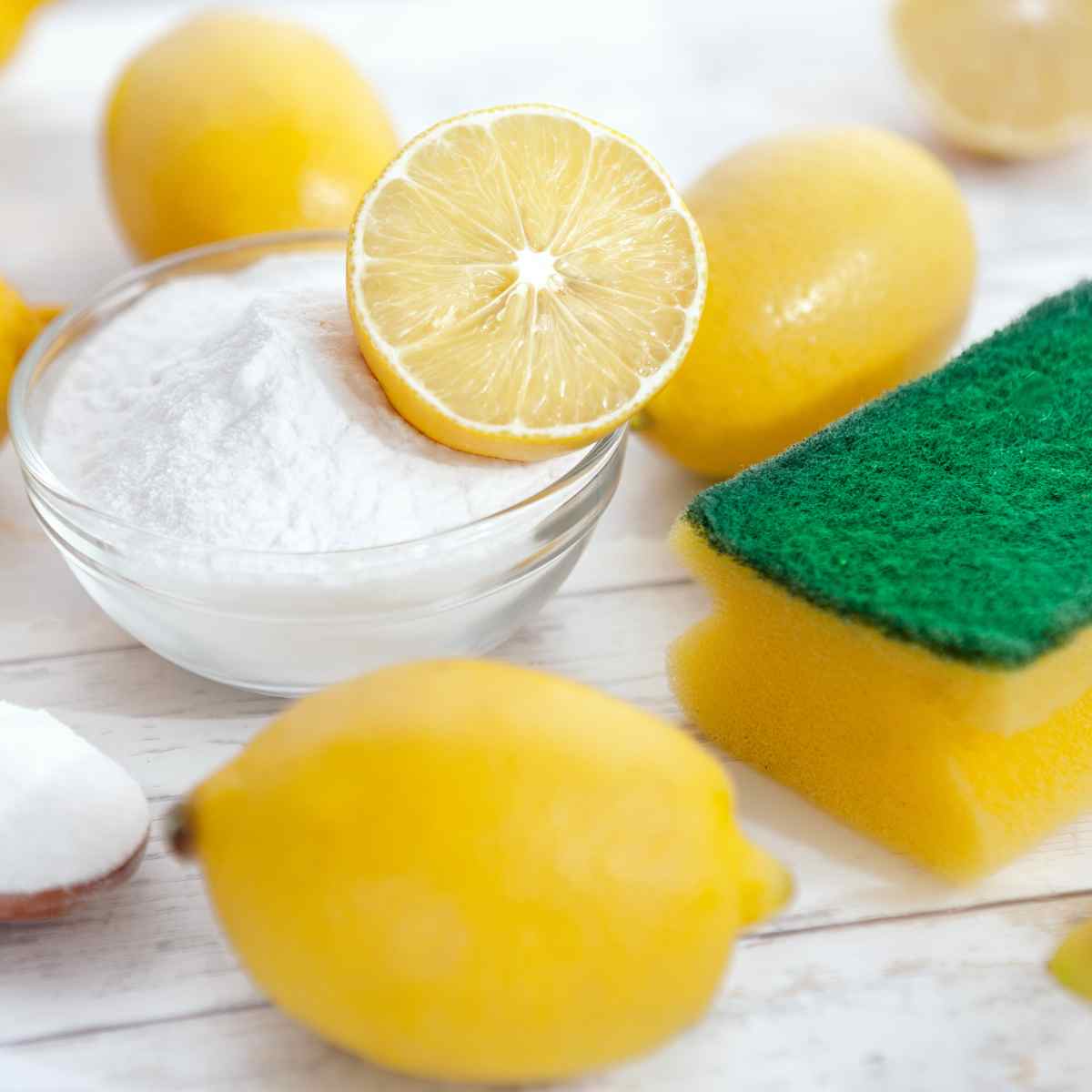
Making a few basic cleaners at home simplifies your cleaning routine and reduces clutter. You need fewer bottles, fewer ingredients, and less storage space.
Homemade cleaners also work well with grey water systems and are gentler on indoor air quality.
Benefits of DIY cleaning products:
- Fewer bottles under the sink
- Less plastic packaging
- Lower costs over time
- Safer ingredients for daily use
You don’t need a different cleaner for every surface. A small set of homemade recipes can replace most store-bought products.
Helpful resources for getting started:
- Green Carpet Cleaning
- DIY Fruit & Veggie Wash
- 5 Easy Recipes for Everyday Cleaners
- How to Clean Porcelain Sinks without Bleach
- Homemade Laundry Soap
Eco-friendly decluttering tips focus on simplifying systems—not just removing stuff. When you replace dozens of cleaners with a few homemade options, you reduce clutter at the source.

Upcycle Items Instead of Throwing Them Away
Upcycling gives clutter a second life.
Instead of tossing usable items, look for ways to use them differently. This reduces waste and helps you get more value from what you already own.
Easy upcycling ideas:
- Old buckets, wheelbarrows, and metal tubs as planters
- Glass jars for pantry, craft, or bathroom storage
- Worn towels and sheets cut into cleaning cloths
- Scraps of fabric turned into oven mitts or tea towels
- Wooden crates used for shelves or entryway storage
Upcycling turns unwanted items into something useful or decorative. It keeps materials out of the landfill and reduces the need to buy new products.
Fabric-based projects work especially well. Old clothes and linens make thoughtful, low-waste gifts or practical home items. You can use them yourself or sell them locally.
Eco-friendly decluttering tips encourage slowing down and seeing potential before tossing things out. When you upcycle, you declutter with purpose—and with far less waste.
Pin this now to find it later
Pin ItReuse and Repair Before Replacing
Replacing items feels easy. It’s often cheap and fast. But it creates more clutter and more waste.
Before buying something new, pause. Ask if the item can be reused, repaired, or repurposed instead.
Small fixes make a big difference. Many items get tossed for problems that take minutes to fix.
Simple repair ideas:
- Sew a loose hem or button
- Tighten door handles or cabinet pulls
- Glue broken wood or ceramics
- Replace a zipper or drawstring
Repairing what you own saves money and keeps usable items out of the landfill. It also reduces the need for new products and excess packaging.
When something truly no longer works as intended, look for another use. An item doesn’t need to be perfect to be useful.
Eco-friendly decluttering tips encourage slowing down before declaring something trash. Reuse and repair help you declutter responsibly—without replacing clutter with more clutter.

Sell Items With Real Value
Some clutter still holds financial value.
Furniture, quality clothing, tools, and kids’ gear often resell well. Selling items keeps them in circulation and puts money back in your pocket.
Popular resale options include:
- Online marketplaces like Facebook Marketplace
- Local buy/sell groups
- Consignment shops
- Yard sale
- Swap with neighbors
- Community bulletin boards
- Farmer’s market or flea markets
Set limits so selling doesn’t stall progress. If an item doesn’t sell within a set time frame, donate it.
Practice Digital Decluttering Too
Digital clutter has an environmental cost.
Stored photos, emails, and files use energy and server space. Decluttering your digital life reduces data storage demand and makes daily tasks easier.
Simple digital decluttering tips:
- Unsubscribe from unused email lists
- Delete duplicate photos
- Remove unused apps and files
This step supports both sustainability and mental clarity.

Build Habits That Prevent Future Clutter
Decluttering works best when paired with prevention.
Before bringing something new home, ask:
- Do I already own something similar?
- Where will this live?
- Will I still want this in a year?
Eco-friendly decluttering tips focus on long-term change, not one-time cleanouts.
Final Thoughts
Decluttering doesn’t need to be wasteful.
By choosing reuse, donation, resale, and mindful recycling, you can clear your home without contributing to the landfill. You’ll save money, reduce stress, and build habits that last.
The problem with “declutter and dump” is simple—it ignores the impact.
The solution is slower, smarter, and far more sustainable.
Eco-Friendly Declutter Checklist
Now that you have some tips for eco-friendly decluttering, here’s a quick checklist to get you started on your path to clutter-free living.
This checklist should help you tackle each area of your home systematically, making the decluttering process more manageable and efficient. Remember to adapt it to your specific needs and preferences as you go along. Happy decluttering!
General Tips:
- Set aside dedicated time for decluttering each area.
- Prepare boxes or bags for sorting items into categories: Keep, Donate, Sell, Repurpose, Discard.
- Work methodically, focusing on one area at a time to prevent overwhelm.
- Be honest with yourself about whether items are truly useful, loved, or needed.
- Celebrate your progress as you go along!
Living Room:
- Remove old magazines, newspapers, and catalogs.
- Sort through DVDs, CDs, and video games, keeping only those you watch or listen to.
- Declutter coffee tables and shelves of unnecessary items.
- Assess throw pillows, blankets, and decor for items that no longer fit the space or style.
Kitchen:
- Clear countertops of appliances and gadgets you rarely use.
- Check drawers for duplicates of utensils, tools, or dishware.
- Dispose of expired food items and condiments.
- Donate excess pots, pans, and cooking utensils.
- Evaluate plastic containers for matching lids and eliminate extras.
Bedroom:
- Declutter clothing by donating items you no longer wear or love.
- Sort through shoes, keeping pairs in good condition.
- Clear nightstands and dressers of clutter, such as old receipts or jewelry.
- Assess linens and towels, discarding worn or mismatched ones.
- Check under the bed for forgotten items or storage containers.
Bathroom:
- Dispose of expired medications and skincare products.
- Organize toiletries, keeping only what you use regularly.
- Declutter towels, washcloths, and bath mats.
- Check the medicine cabinet for items you no longer need.
- Assess cleaning supplies, discarding old or unused products.
Home Office:
- Sort through paperwork, shredding or filing as needed.
- Organize office supplies, discarding dried-out pens and markers.
- Clear the desk of clutter, keeping only essential items within reach.
- Evaluate electronics and cords, recycling old devices or accessories.
- Declutter bookshelves of books you won’t read again or no longer need.
Kids’ Rooms:
- Involve children in decluttering toys, keeping favorites and donating unused items.
- Sort through clothing, passing on outgrown clothes or items no longer worn.
- Assess books and school supplies, keeping age-appropriate items.
- Clear play areas of broken or unused toys.
- Evaluate furniture for items they’ve outgrown or no longer need.
Closets and Storage Spaces:
- Declutter seasonal clothing, donating items not worn in the past year.
- Assess shoes and accessories. Keep only what’s worn or loved.
- Sort through holiday decorations. Keep what’s used and loved.
- Evaluate sports equipment and outdoor gear, passing on items no longer used.
- Clear out miscellaneous items in storage bins or boxes, keeping only what’s essential.
Miscellaneous Areas:
- Check the garage for tools, equipment, and items no longer needed.
- Declutter the laundry room of old cleaning supplies or unused products.
- Sort through pet supplies, donating items your pet no longer uses.
- Assess outdoor spaces for broken or unused items, such as furniture or garden tools.
- Clear out the car of unnecessary items, organizing essentials for easy access.
Final Steps:
- Dispose of items in the “Discard” pile responsibly, recycling where possible.
- Donate items in good condition to local charities or organizations.
- Sell items of value through online platforms, garage sales, or consignment shops.
- Repurpose items creatively or give them new life through DIY projects.
- Enjoy your newly decluttered and organized spaces!
Now that you’re for some eco-friendly decluttering, what are you going to tackle first?