5 Types of Eggs You Can Eat (Duck, Goose, Turkey & More)

on Nov 03, 2026
Some links in this post are affiliate links, so I may earn a small commission at no cost to you. As an Amazon Associate, I earn from qualifying purchases. Please read our disclosure policy.
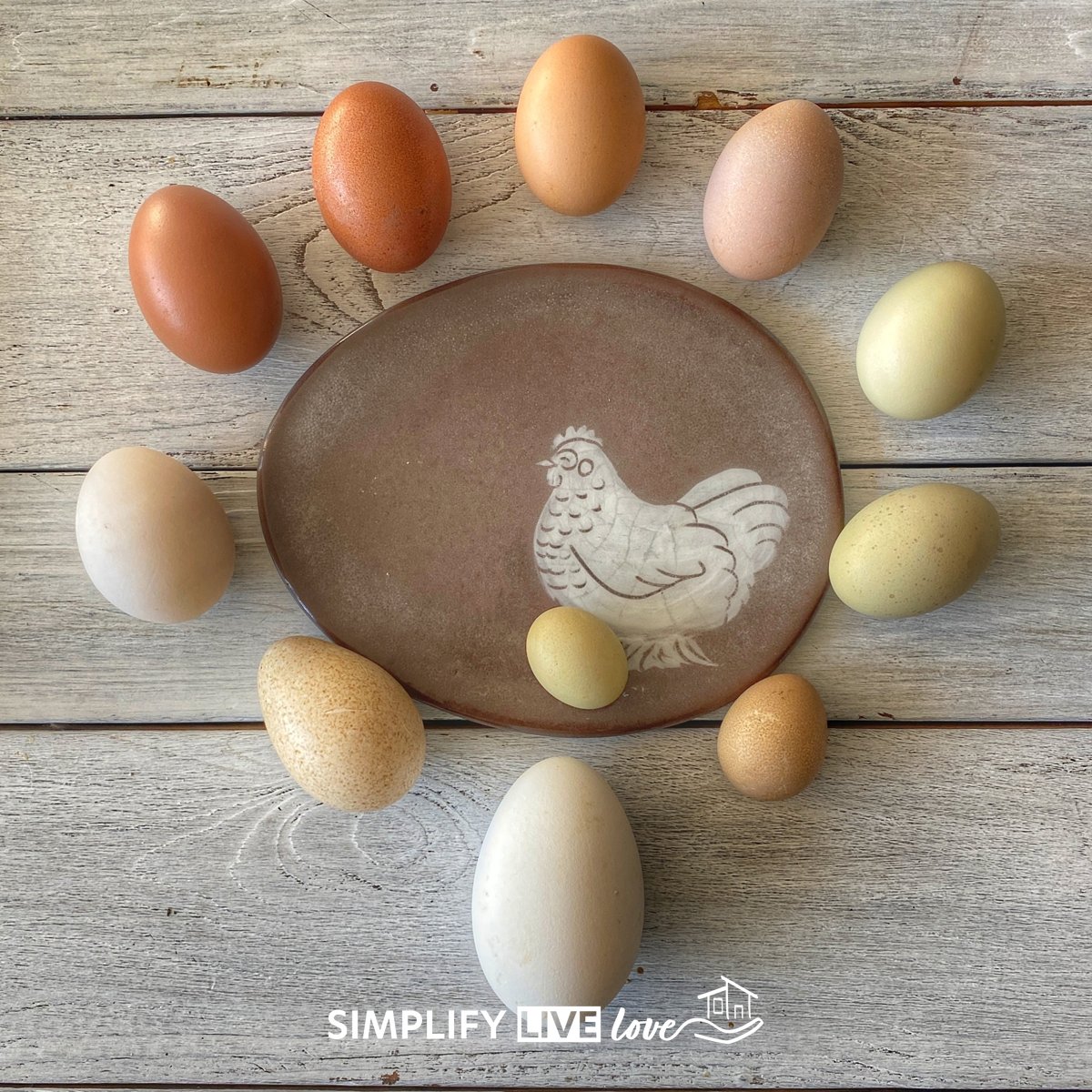
Most people only eat chicken eggs, but if you keep a mixed flock like we do on our Eastern Iowa hobby farm, you end up gathering all kinds of eggs. Guinea, duck, turkey, and goose eggs all end up in our kitchen, and every one of them is edible. Here’s what each one is like and how to swap it for a chicken egg.
Edible Eggs That Aren’t Chicken: Quick Overview
Here’s what to know about the five most common non-chicken eggs.
- Duck eggs are the easiest alternative to find and use. 2 duck eggs replace 3 chicken eggs, and they make baked goods extra fluffy.
- Goose eggs are huge. One goose egg equals about 3 large chicken eggs.
- Turkey eggs are edible and rich, but turkeys lay so few that you rarely see them for sale.
- Guinea eggs are small, speckled, and very hard to crack. 2 guinea eggs equal about 1 chicken egg.
- Quail eggs are tiny. It takes about 5 to equal one chicken egg.
- Cook all of them fully, and check with your doctor before trying any new egg if you have an egg allergy.
Thinking about adding birds? Read Benefits & Drawbacks of Raising Guinea Fowl, What to Know About Raising Geese, and Why We Love Raising Turkeys.
Table of Contents
- Edible Eggs That Aren’t Chicken: Quick Overview
- Are All Bird Eggs Edible?
- Non-Chicken Eggs Compared: Size, Swap Ratio & Taste
- 5 Types of Eggs You Can Eat That Aren’t Chicken
- Which Alternative Bird Should You Raise for Eggs?
- How to Store and Cook Duck, Goose, and Other Eggs Safely
- Where to Buy Duck, Goose, and Quail Eggs
- Non-Chicken Eggs FAQ
- More Chicken and Egg Posts You’ll Love

Are All Bird Eggs Edible?
There are around 10,000 bird species in the world, and they all lay eggs. Most of the eggs people actually eat come from a handful of domesticated birds: chickens, ducks, geese, turkeys, guinea fowl, and quail. Wild bird eggs are a different story. Collecting eggs from most wild birds is illegal in the US under the Migratory Bird Treaty Act, so stick with eggs from poultry.
As a mixed flock owner, I’ve learned that people are often surprised (and sometimes a little grossed out!) when they hear we eat more than chicken eggs. The short answer is yes, eggs from common poultry are safe to eat when they’re fresh and cooked well.
Non-Chicken Eggs Compared: Size, Swap Ratio & Taste
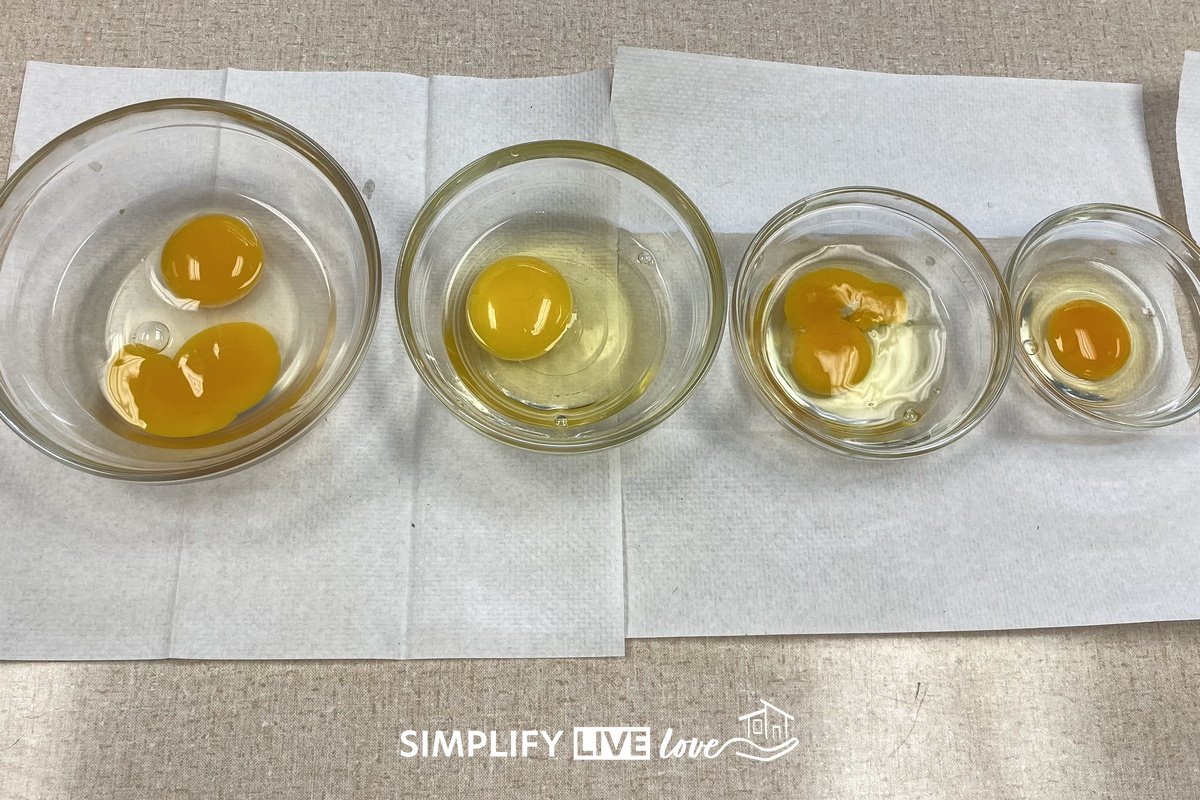
| Egg | Size vs. large chicken egg | Swap for 1 chicken egg | Taste | Laying |
|---|---|---|---|---|
| Duck | About 1.5x | 2 duck = 3 chicken | Close to chicken, a bit richer | Prolific, many breeds lay most of the year |
| Goose | About 3x | 1 goose = about 3 chicken | Rich, large yolk | Only about 40 a year, in spring |
| Turkey | About 1.5x | Use 1 for 1, adjust liquid | Rich and creamy | Few eggs, mostly spring |
| Guinea | Smaller | 2 guinea = 1 chicken | Rich, high yolk ratio | About 100 a year, seasonal |
| Quail | About 1/5 | About 5 quail = 1 chicken | Mild, slightly richer | Starts at 6 to 8 weeks old |
5 Types of Eggs You Can Eat That Aren’t Chicken
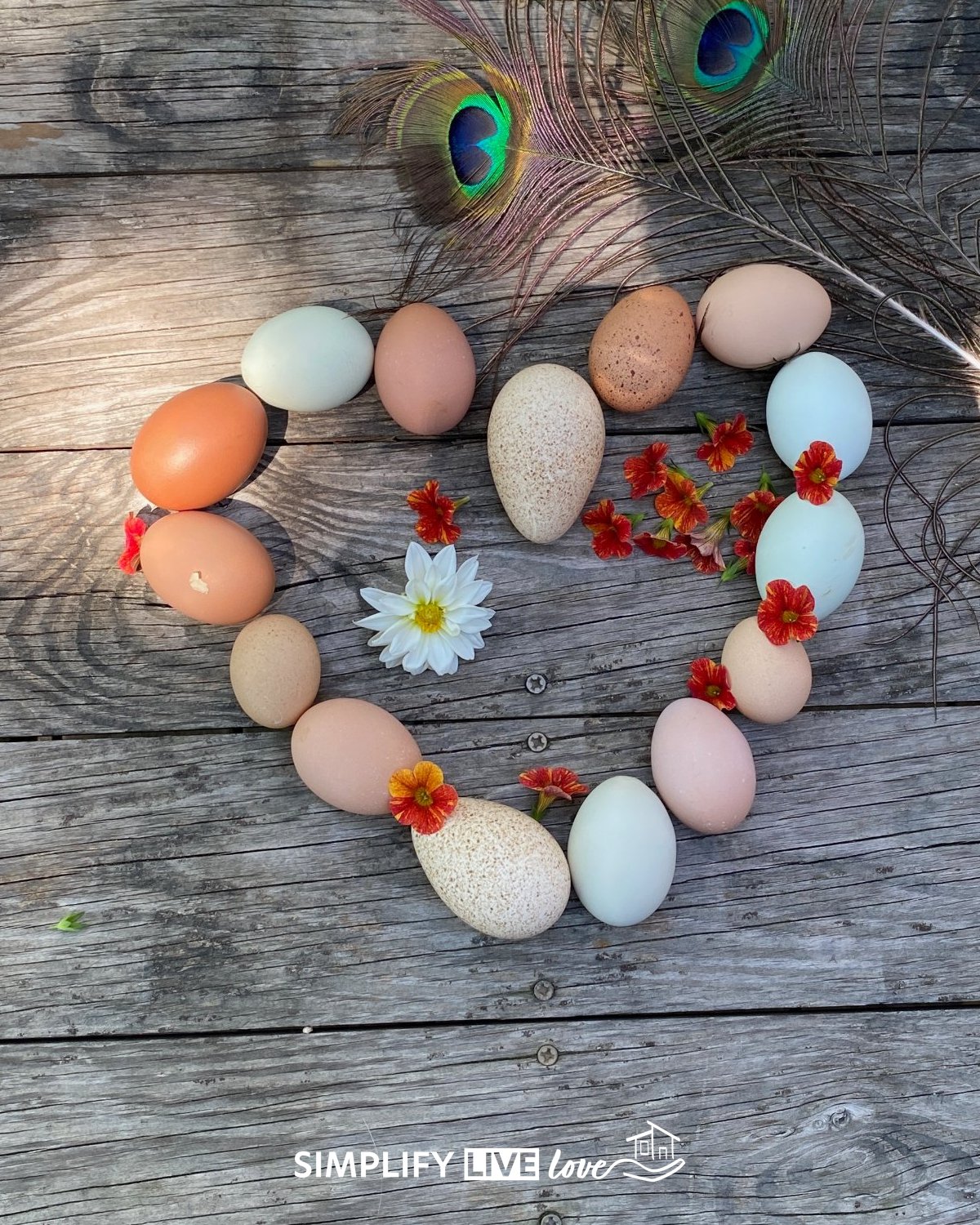
In addition to chicken eggs, we’ve eaten guinea, duck, and turkey eggs from our own birds. Here’s what I’ve learned about each one.

Guinea Eggs: Small, Speckled, and Hard to Crack
The smallest eggs I gather, guinea eggs are really cute. They’re more oblong than oval and light brown with speckles. Guineas like to hide their eggs in hard-to-find places, but if you’re lucky enough to find a nest, the eggs are edible and delicious.
- Laying: Guineas lay around 100 eggs a year, mostly spring through summer, and often go broody after about 30.
- Shells: Very, very hard to crack. Tap them firmly on the counter edge.
- Swap: 2 guinea eggs equal about 1 large chicken egg.
- How we use them: Mixed with chicken eggs in scrambled eggs. I’ve seen hard-boiled guinea eggs on restaurant menus, and they work in any of these recipes with boiled eggs.
Guineas are great tick eaters too. Here are the pros and cons of raising guinea fowl if you’re on the fence.
Duck Eggs: The Easiest Alternative to Chicken Eggs
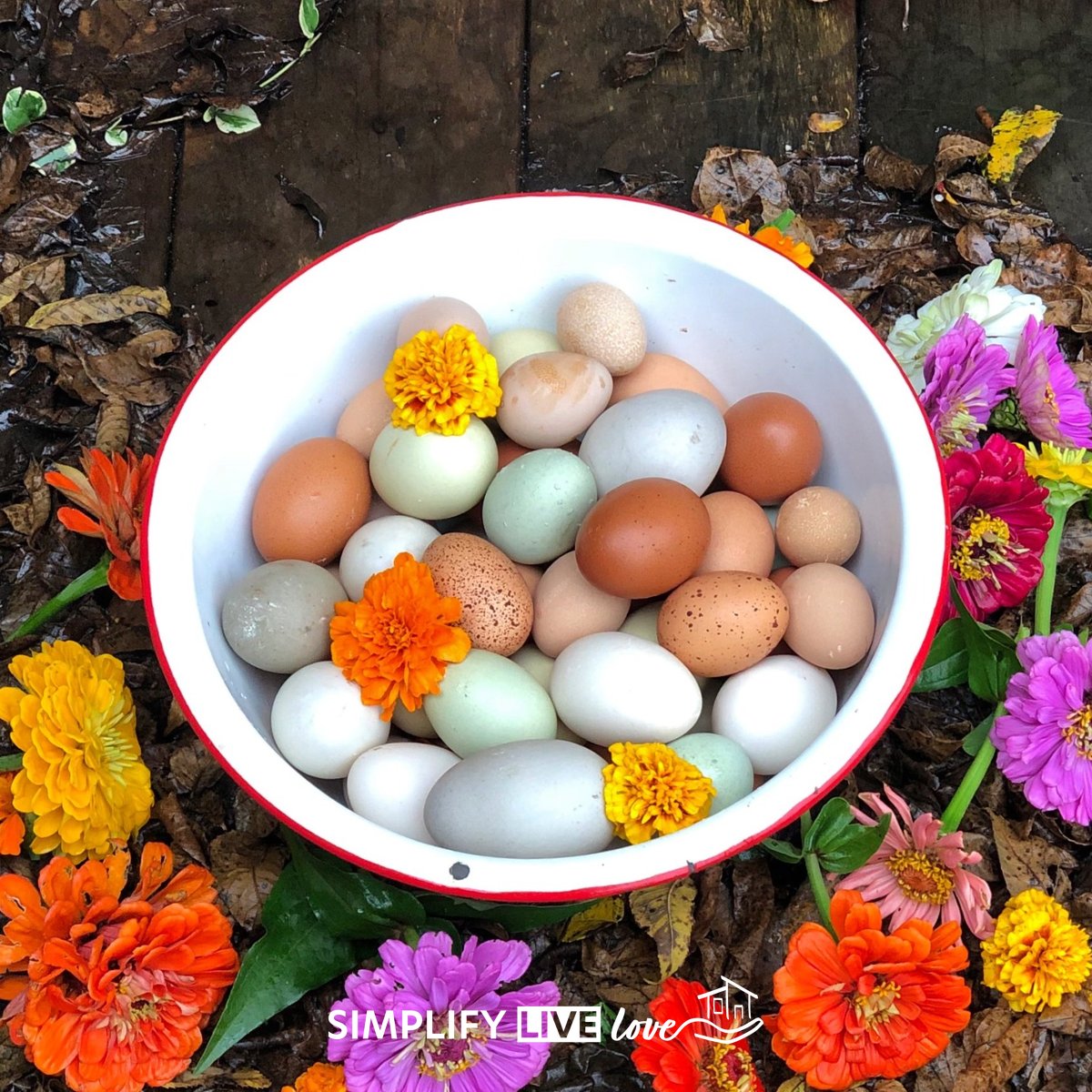
Behind chicken eggs, duck eggs are probably the most common egg Americans eat. We think they taste a lot like chicken eggs, just a bit richer. We mix them with chicken eggs for scrambled eggs and use them in baking, where they make cakes and German pancakes extra fluffy.
- Bigger and richer: Duck eggs are larger and have more fat, protein, and omega-3s than chicken eggs.
- Thicker shells: They keep longer in the fridge.
- Pretty colors: From almost black or gray (Cayuga ducks) to milky white for most other breeds.
- The downside: Ducks lay just about anywhere, so the eggs are often really dirty. Regular cartons won’t close over them either. We use jumbo duck egg cartons for ours.
- Swap: Use 2 duck eggs in place of 3 chicken eggs. If a recipe calls for 1 chicken egg, use 1 duck egg.
If you’re nervous about trying a different kind of egg, start with a duck egg in a baking recipe and see what you think.
Pin this now to find it later
Pin It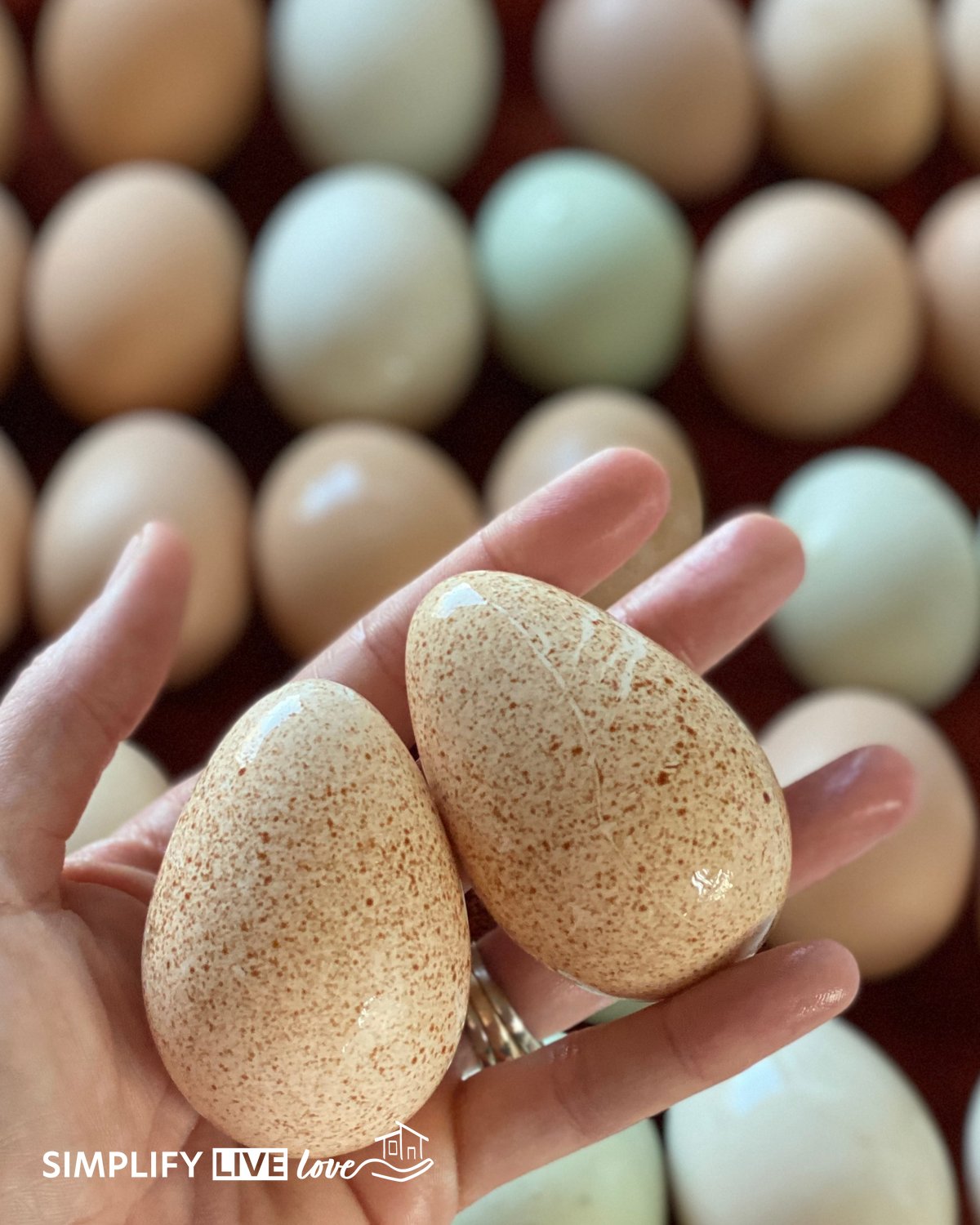
Turkey Eggs: Edible, Rich, and Rare
You can eat turkey eggs! Native Americans ate wild turkey eggs long before chickens came to North America. We don’t see them in stores because turkeys aren’t efficient layers. Chickens start laying around five months old, while turkeys take at least two months longer, and they lay far fewer eggs a year.
- Size: About 50% larger than a chicken egg, with a hard, speckled, slightly oblong shell.
- Nutrition: According to USDA data, one turkey egg has about twice the calories and fat of a large chicken egg and close to four times the cholesterol.
- Finding them: Turkeys are notorious for hiding their nests. If you find a stash and don’t know how old the eggs are, check them with an egg candler or the float test before cooking.
If you find a turkey egg and you’re an adventurous eater, go ahead and try it! Here’s why we love raising turkeys on our farm.
Goose Eggs: Huge and Great for Baking
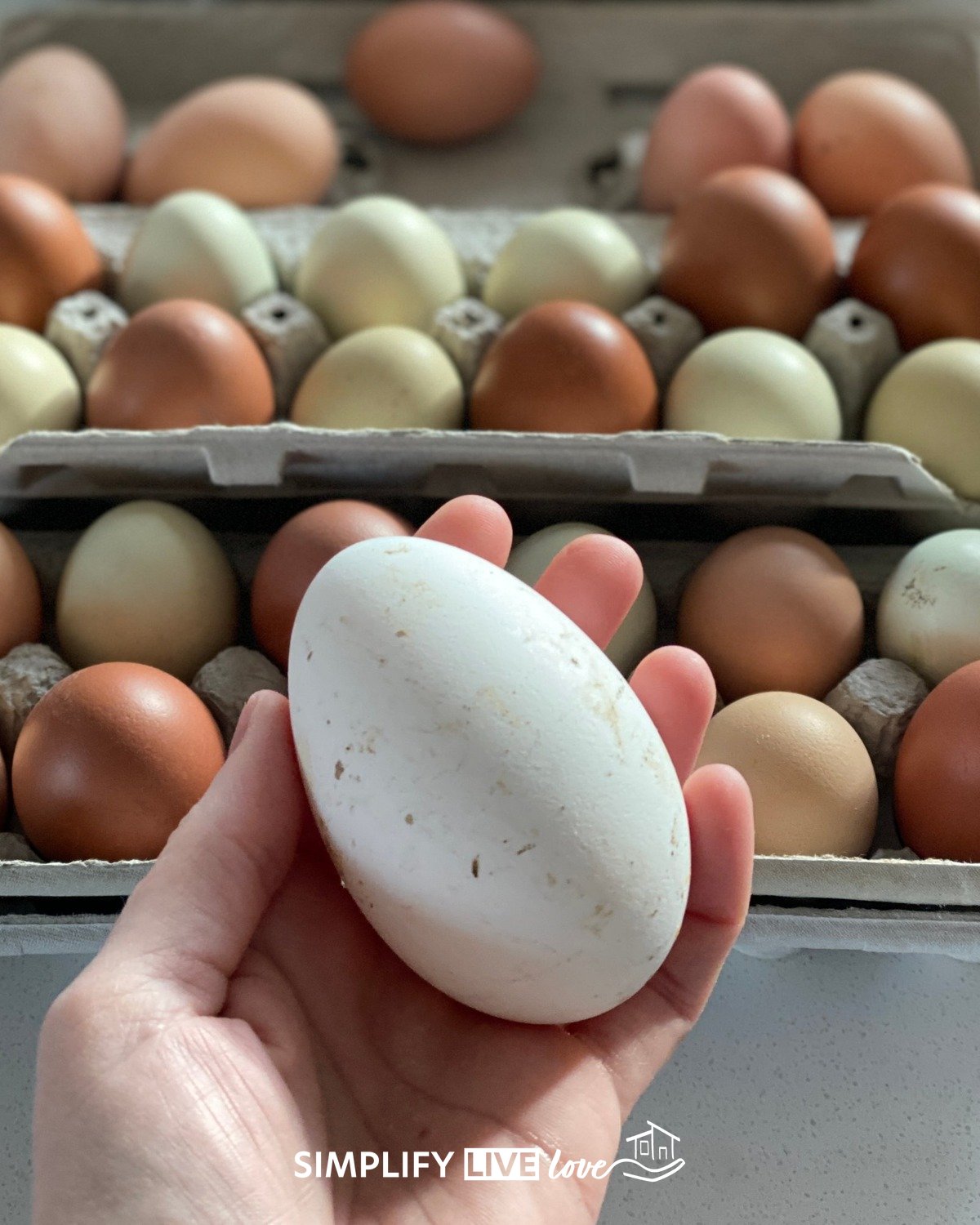
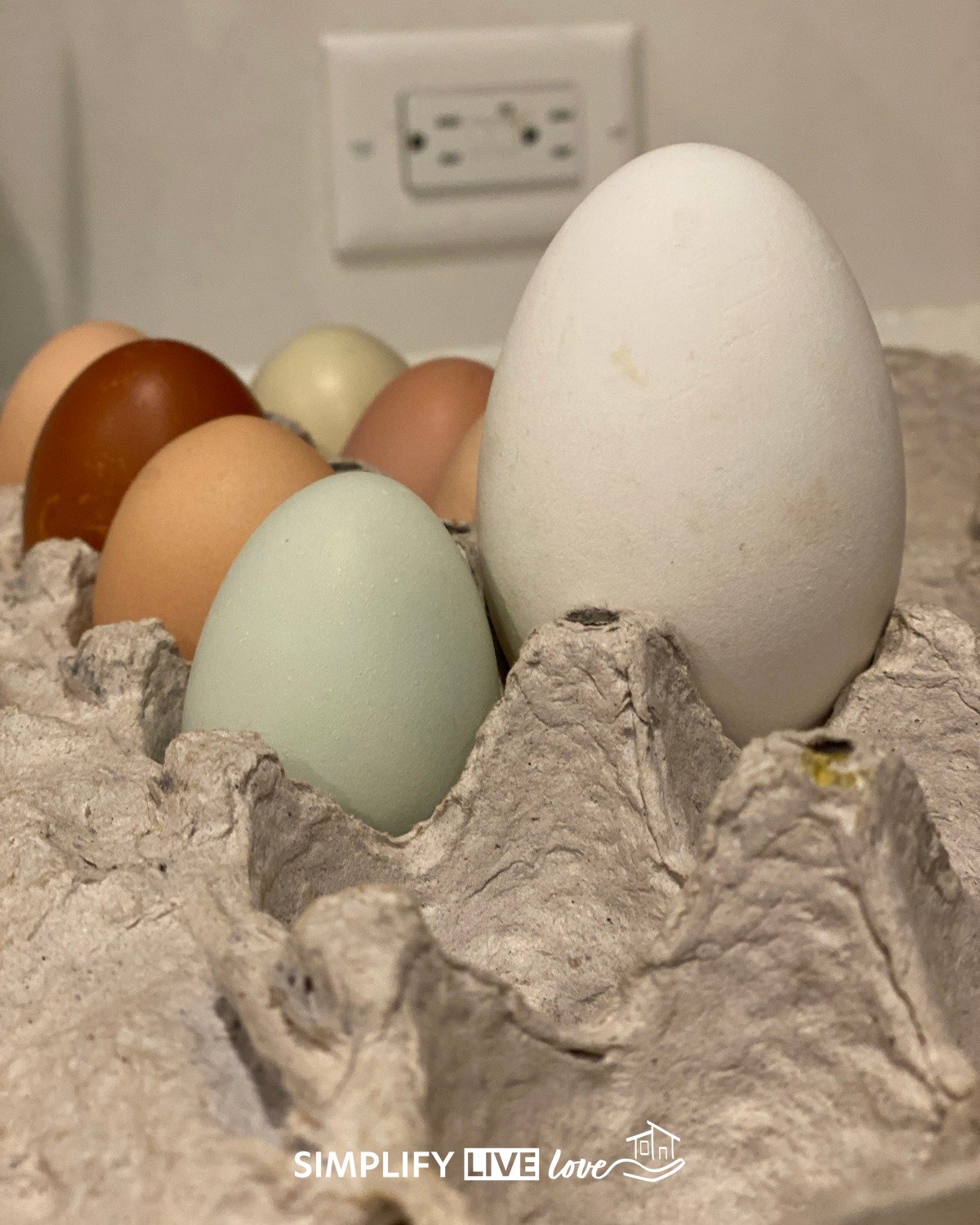
We call goose eggs the mother of all the eggs on our little farm. They are enormous! One goose egg equals about three large chicken eggs, and like duck eggs, they’re great for baking. Restaurants used to sell goose-egg omelets, since one egg does the trick. We’ve even cracked a double-yolk goose egg, which really is an omelet all on its own. A goose egg also makes a great start to a frittata or a crustless quiche.
People have asked to buy my goose eggs for art projects like pysanky. But geese lay only about 40 eggs a year at most, and sometimes go broody, so I’ve never sold ours.
Learn more about raising geese on a homestead, including the drawbacks nobody warns you about.

Quail Eggs: Tiny Eggs from Fast-Growing Birds
Quail are another popular homestead bird, and their tiny speckled eggs are edible and gorgeous. People love quail because they mature so fast. A chicken won’t lay for about five months, but quail start laying at just 6 to 8 weeks.
We haven’t raised quail (yet!), but I’d like to. Here’s what I’ve learned from knowledgeable keepers like Tami at Rusty Moose Farm.
- Swap: It takes about 5 quail eggs (4 to 6, depending on size) to equal one large chicken egg.
- Cracking: The shells and membranes are tough. Quail egg scissors snip the tops off cleanly.
- Serving ideas: Hard-boiled quail eggs make adorable bite-size deviled eggs.
- Housing: Quail are strong fliers, so they can’t free-range like chickens.
- Meat: Many people raise quail for meat as well as eggs.

Which Alternative Bird Should You Raise for Eggs?
If you want eggs other than chicken from your own backyard, here’s how I’d decide.
- Want lots of eggs: Ducks. Many breeds lay nearly as well as chickens, and some lay better.
- Short on space: Quail. They lay fast and fit in small hutches.
- Want pest control too: Guinea fowl. The eggs are a bonus, not the main reason to keep them.
- Want a guard animal: Geese. You’ll get a few big eggs each spring.
- Want meat for the holidays: Turkeys. Eggs are a rare treat.
Still deciding on chickens? Start with these tips to choose the best chicken breed, and check out my chicken coop needs for mixed flocks. If you’re curious about meat birds too, I wrote a whole book on it: How to Raise Chickens for Meat. Feeding several species at once? Here’s how to build a homestead animal feeding plan.

How to Store and Cook Duck, Goose, and Other Eggs Safely
Handle these eggs the same way you’d handle farm-fresh chicken eggs.
- Collect daily: Fresh eggs are safest. Hidden nests from guineas and turkeys can hold old eggs, so candle or float-test them first.
- Don’t wash until you use them: Unwashed eggs keep their protective bloom. Once washed, refrigerate them.
- Cook thoroughly: Cook until the whites and yolks are firm, especially duck eggs, which have been linked to salmonella. Skip raw uses like homemade mayo unless the eggs are pasteurized.
- Freeze extras: Duck and goose eggs freeze well. Here’s how to freeze eggs.
- Expect seasonal laying: Most of these birds lay heavily in spring and slow down or stop in winter. These tips for winter egg production help with chickens and ducks.
Where to Buy Duck, Goose, and Quail Eggs
If you don’t keep your own birds, try these:
- Farmers markets: Duck eggs are the most common. Goose and turkey eggs show up in spring.
- Local farms: Ask anyone who sells chicken eggs. Many keep a few ducks or guineas too.
- Asian grocery stores: A great source for duck and quail eggs.
- Specialty grocers: Some carry duck and quail eggs year-round.
Non-Chicken Eggs FAQ
Eggs from common poultry like chickens, ducks, geese, turkeys, guinea fowl, and quail are all edible when fresh and fully cooked. Collecting wild bird eggs is illegal for most species in the US, so stick with eggs from domestic birds.
Yes. Guinea eggs are small, rich, and very hard-shelled. Two guinea eggs equal about one large chicken egg, and they’re great scrambled or hard-boiled.
Yes. Turkey eggs are edible and rich, but turkeys lay far fewer eggs than chickens and start laying later, so they’re rarely sold.
Use 2 duck eggs in place of 3 chicken eggs. For a recipe that calls for 1 chicken egg, 1 duck egg works fine.
About 5 quail eggs equal one large chicken egg, or 4 to 6 depending on their size.
Some people with chicken egg allergies report eating duck or quail eggs without problems, but the proteins are similar and reactions are possible. Talk with your doctor before trying any new egg.
They taste similar but richer, with a bigger yolk. We mix them with chicken eggs all the time and most people can’t tell.
Duck, goose, and turkey eggs have more protein, fat, and nutrients per egg than chicken eggs because they’re bigger. They also have more calories and cholesterol, so the best choice depends on your diet.
I’d love to hear your thoughts on different types of eggs. Are you grossed out at the thought of eating a different bird’s eggs, or have you tried a type of egg other than chicken?
More Chicken and Egg Posts You’ll Love
- Why We Love Raising Turkeys on the Homestead
- Benefits & Drawbacks of Raising Guinea Fowl
- What to Know About Raising Geese on a Homestead
- Why You Might Consider Raising Chickens for Eggs
- How to Prepare for Mail Order Chicks
- Complete Guide to Raising Baby Chicks
- How to Freeze Eggs + Tips to Make Farm Fresh Eggs Last Longer
As an Amazon Associate I earn from qualifying purchases.