June Garden Checklist: Everything You Should Do in Your Garden This Month

on Jun 13, 2026
This post may contain affiliate links. Please read our disclosure policy.
June is one of my favorite months to be in the garden, and also one of the busiest. Everything is growing fast, the weather is warming up, and there’s a long list of June gardening tasks that will pay dividends all summer long.
This isn’t a planting guide. If you’re looking for what seeds and transplants you can still get in the ground, I’ve got you covered in my post on what to plant in June. This is about everything else: maintenance, prevention, the harvesting, and the planning that turns a decent garden into a great one.
I garden in Eastern Iowa (Zone 5), so my timing reflects that. If you’re in a warmer or cooler zone, adjust accordingly, but most of these tasks translate across zones.
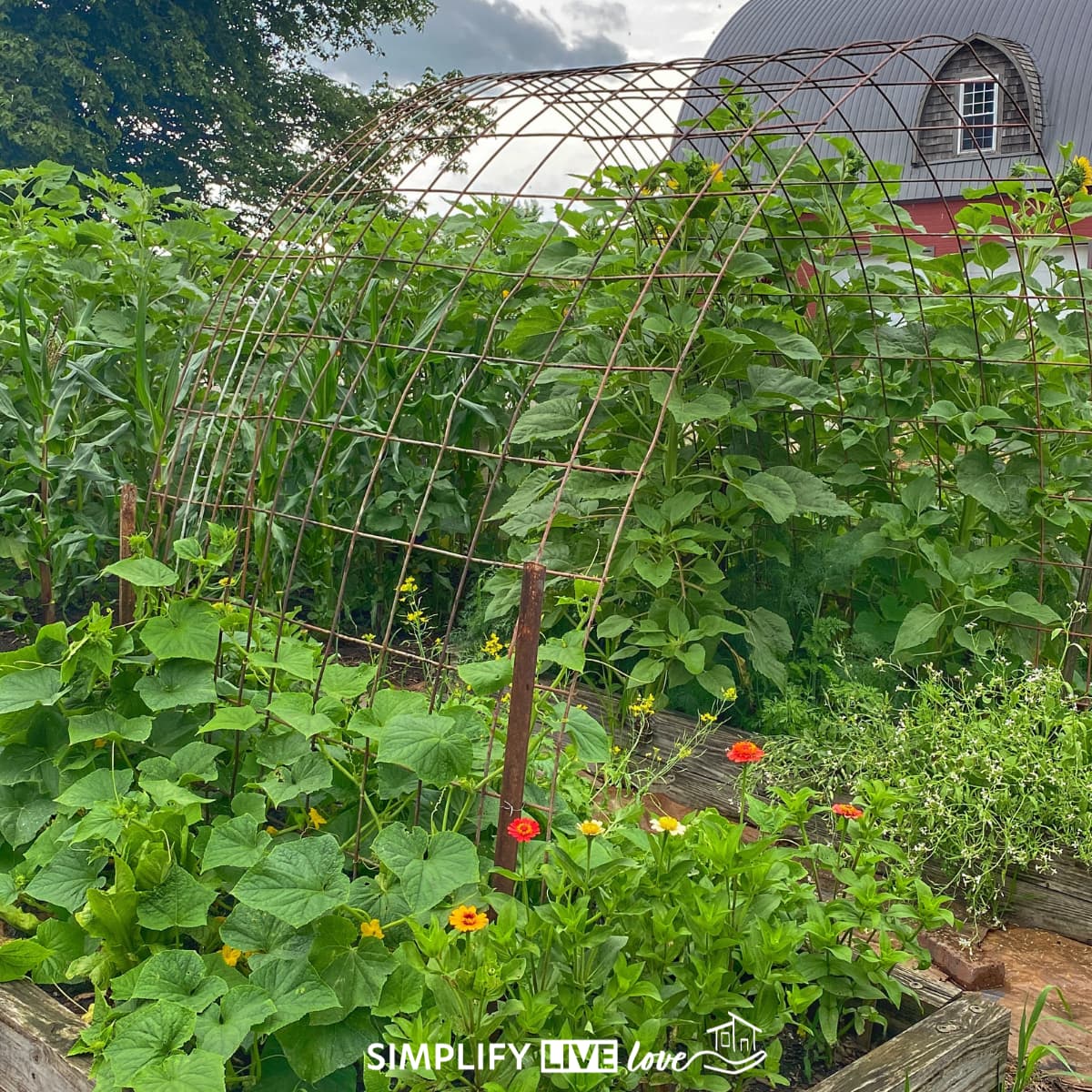
Table of Contents
- June Garden Checklist at a Glance
- 1. Mulch Everything — Seriously
- 2. Check Your Irrigation Before You Need It
- 3. Weed Daily (Just a Few Minutes)
- 4. Check for Pests Every Day
- 5. Harvest Strawberries (and Protect Them from Birds)
- 6. Harvest Asparagus — But Know When to Stop
- 7. Thin Fruit on Trees
- 8. Cut Back Spring Bulb Foliage
- 9. Fertilize Corn
- 10. Add Mulch to Potatoes
- 11. Start Fall Brassicas Indoors
- 12. Plan Your Fall Garden Now
- June Gardening Tasks Timeline (Zone 5)
- More Gardening Posts You’ll Love
June Garden Checklist at a Glance
- Mulch all garden beds
- Check and repair irrigation
- Weed consistently (a few minutes daily beats an hour weekly)
- Scout for pests — cucumber beetles, squash bugs, potato beetles
- Make or stock organic pest controls
- Harvest strawberries; protect from birds
- Harvest asparagus before spears thin out
- Thin fruit on trees (5–6 inches between fruit)
- Cut back spent spring bulb foliage
- Fertilize corn
- Start fall brassicas indoors
- Plan your fall garden

1. Mulch Everything — Seriously
If I had to name the single highest-impact thing you can do in your June garden, it’s mulching. A 2–3 inch layer of straw, wood chips, or shredded leaves around your plants does three things:
- it holds moisture in the soil during summer heat waves
- suppresses weeds before they get a foothold
- keeps soil temperatures stable so roots stay comfortable even when air temps climb
I mulch every bed in June — vegetables, fruit trees, perennials, all of it. The time you spend mulching now will save you hours of watering and weeding later in the summer.
For more on managing plants through summer heat, see my hot weather summer gardening tips.

2. Check Your Irrigation Before You Need It
Walk every inch of your drip lines or soaker hoses before the heat sets in and you actually need them working. Look for:
- Clogged or misaligned emitters
- Leaks or disconnected fittings
- Dry spots where coverage isn’t reaching
Fix small problems now and they stay small. Wait until July and you might come home from a long weekend to find half your garden wilted.
Also think about water conservation while you’re at it — make sure you’re not creating standing water or puddles, which become breeding grounds for mosquitoes and can harbor fungal disease.
3. Weed Daily (Just a Few Minutes)
One of the most important June gardening tasks – Weeds in June are small and easy to pull. Weeds in August have root systems that rival your tomatoes and are setting seed to haunt you next year. A few minutes of weeding every morning while you’re checking on the garden keeps the problem permanently manageable.
I find it’s easiest to weed right after rain when the soil is soft. Keep a hand hoe or stirrup hoe nearby so you never have to go back to the shed to get one — because you won’t.
I wear gloves to protect my hands because if I don’t I always end up cut. I put the weeds in a bucket and then deliver them to my pigs. Sometimes I think I grow more weeds than anything else.

4. Check for Pests Every Day
This is the other daily habit that makes or breaks a summer garden. Pests move fast in warm weather, and a small infestation can become a crop-ending problem in a week if you’re not watching.
The main culprits to watch for in Zone 5 in June:
Cucumber Beetles
Striped or spotted, these beetles attack cucumbers, squash, melons, and beans. They’re also vectors for bacterial wilt, which will kill your cucumbers even if the beetles don’t. At the first sign, treat with kaolin clay or pyrethrin spray. Full details in my post on how to get rid of cucumber beetles organically.
Squash Bugs
These flat, grey bugs cluster on the undersides of squash and zucchini leaves. Catch them early — once they’re established, they’re hard to eliminate. Handpick squash bug egg clusters (they’re bronze-colored and found on leaf undersides), and remove any heavily infested leaves. Get my full guide on how to control squash bugs here.
Colorado Potato Beetles
If you’re growing potatoes, check the undersides of leaves for bright orange egg clusters. Larvae are the main feeders — red and soft-bodied when young, and much easier to kill than adults. My full guide to dealing with Colorado Potato Beetles organically has everything you need.
Aphids
Check the undersides of pepper, tomato, and bean leaves. A strong spray of water knocks most of them off. For persistent colonies, Neem Oil works well — I keep this one on hand all summer.
General Organic Pest Controls to Have on Hand
- Diatomaceous earth — sprinkle around the base of plants for crawling insects
- Neem Oil — broad-spectrum, works on soft-bodied insects
- Homemade garlic and mint spray. My friend Jami at An Oregon Cottage has an effective garlic mint insect spray recipe that she swears by

5. Harvest Strawberries (and Protect Them from Birds)
Fresh strawberries might be my single favorite thing about gardening in June. Watch your plants daily once berries start turning pink — fully ripe strawberries need to be picked every day or two, and they go fast.
A few tips to get the most from your strawberry harvest:
- Weed carefully around plants so berries don’t get buried
- Add straw mulch under plants to keep fruit clean and off the soil
- Use bird netting or a row cover to protect ripening berries — birds will beat you to them if you let them
After harvest season winds down, renovate your strawberry bed by mowing or cutting back foliage, thinning runners, and fertilizing to set up next year’s crop.
6. Harvest Asparagus — But Know When to Stop
If your asparagus bed is in its second season or beyond, you may still have spears coming in early June if you had a late spring. Harvest while spears are firm and tight. Once they start feathering out at the tip, they’re past their prime.
The key signal to stop harvesting: when spears start coming up noticeably thinner (pencil-sized or smaller), it’s time to let them go. Allow those spears to develop into tall, feathery ferns. The ferns feed the root system through summer and fall, which is what makes next year’s spears thick and plentiful. Cutting ferns early is the most common mistake people make with asparagus.
Established beds (three or more years old) can produce for six to eight weeks. Young beds should only be harvested for two to three weeks at most.
7. Thin Fruit on Trees
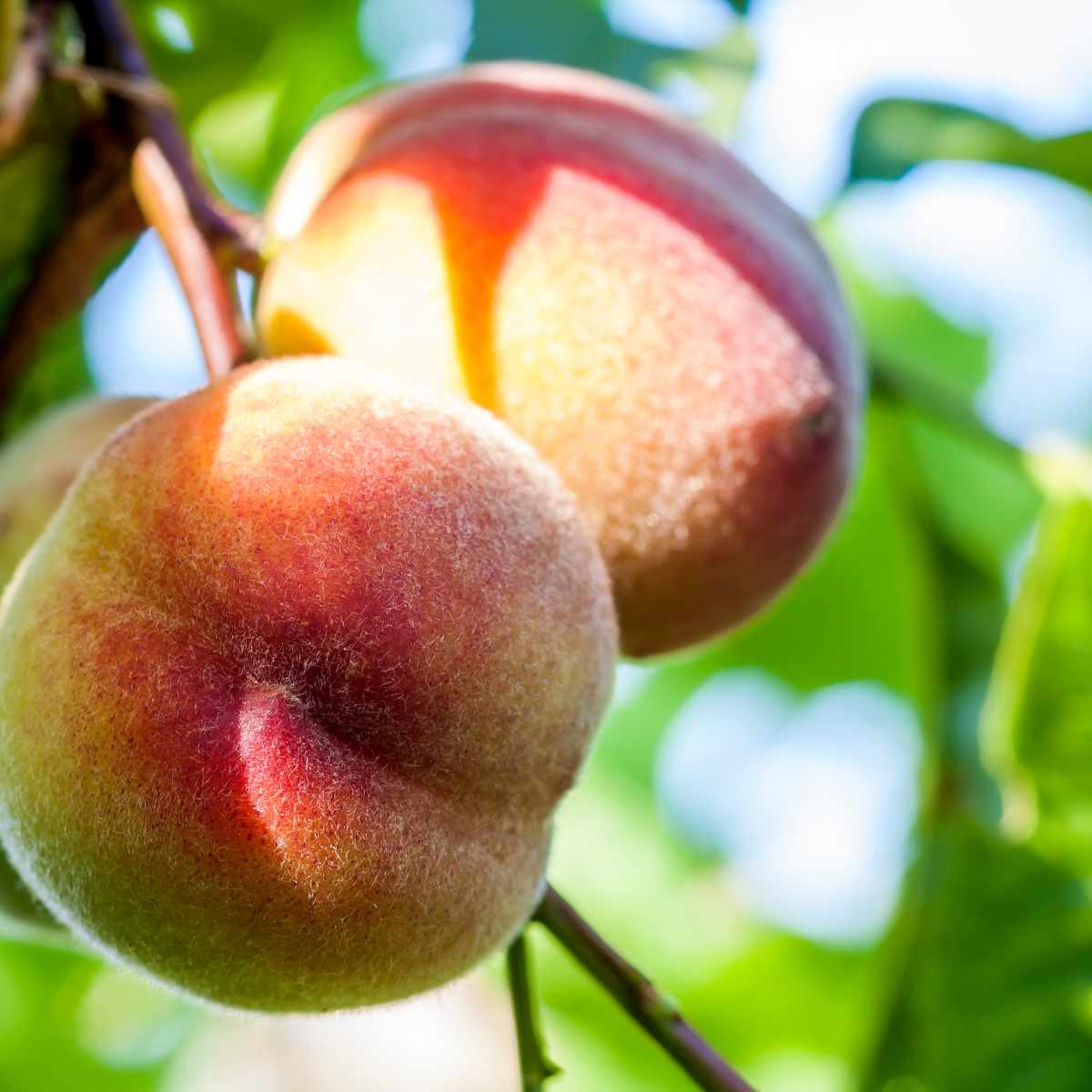
This is the task that feels most wrong but makes the most difference. Walk your fruit trees in June and remove small fruitlets so the remaining ones are spaced about 5–6 inches apart along the branch.
It looks brutal. But thinning means the tree’s energy goes into fewer, larger, better-quality fruits rather than dozens of small ones that may not fully ripen. It also reduces branch breakage from heavy crop loads later in summer.
Apples, peaches, nectarines, and pears all benefit from thinning. You can leave clusters of two on apples if you prefer, but single fruits will be largest.

8. Cut Back Spring Bulb Foliage
Once your tulips, daffodils, and other spring bulbs have finished blooming and the leaves have yellowed and died back naturally, it’s time to cut them down. The key word is naturally — don’t cut green foliage, even if it looks scraggly, because those leaves are still feeding the bulb for next year’s bloom.
By June, most spring bulbs in Zone 5 will be fully yellowed and ready to cut. Tidy up the bed, and you’re done until fall.
9. Fertilize Corn
Corn is a heavy nitrogen feeder and benefits from a mid-season boost. My favorite approach is compost tea. It’s free if you’re already composting, it feeds the soil as well as the plant, and it’s gentler than synthetic fertilizers that can burn.
If you haven’t tried planting corn in a Three Sisters arrangement with beans and squash, June is a great time to see how it works. The beans fix nitrogen directly in the soil around the corn, reducing the need for additional fertilizer naturally. It’s one of my favorite garden experiments to try with kids.
10. Add Mulch to Potatoes
If you’ve growing potatoes, check that any tubers near the soil surface are well covered. Potatoes exposed to sunlight turn green and develop solanine — a mildly toxic compound that makes them taste bitter and can cause digestive issues in larger amounts. A fresh layer of straw or soil over any peeking tubers takes two minutes and prevents the problem entirely.

11. Start Fall Brassicas Indoors
This is one of the most overlooked June gardening tasks, and it’s one of the most valuable.
Cool-season crops like broccoli, cabbage, cauliflower, kale, and kohlrabi need to be started indoors now in order to be ready for transplanting in July and harvesting in fall. In Zone 5, these crops can’t be direct-sown in summer heat — they need to be started in a cool spot indoors, hardened off, and moved outside when temperatures begin dropping.
Starting in mid-June gives you strong transplants by late July, and a full fall harvest before hard frost arrives in October. My full guide to starting broccoli and brassicas from seed walks through the whole process.
12. Plan Your Fall Garden Now
June is also the right time to think several months ahead. Walk your garden and make notes:
- What’s thriving and what’s struggling?
- Where will you have open space after summer crops come out?
- What did you wish you had planted more of?
Fall gardens in Zone 5 can include a second round of lettuce, spinach, radishes, arugula, kale, Swiss chard, and beets — all started from seed in July and August when summer crops start winding down. The planning you do now makes that second season seamless rather than frantic.
June Gardening Tasks Timeline (Zone 5)
| Timing | Tasks |
|---|---|
| Early June (1–10) | Mulch all beds, check irrigation, set up pest controls, harvest strawberries |
| Mid-June (10–20) | Thin fruit trees, fertilize corn, scout for beetles and squash bugs, cut back bulb foliage |
| Late June (20–30) | Start fall brassicas indoors, stop asparagus harvest when spears thin, begin planning fall garden |
Frequently Asked Questions About June Gardening Tasks
The biggest priorities are mulching to conserve moisture, scouting for pests before they get established, consistent weeding while weeds are small, and starting fall brassicas indoors. See the full checklist at the top of this post.
Stop harvesting when spears start coming up noticeably thinner — pencil-sized or smaller. Let those go to fern to feed the roots for next year.
Catch them early. Handpick egg clusters from leaf undersides, remove heavily infested leaves, and use Neem Oil or insecticidal soap on nymphs. Adults are much harder to kil
Yes — thinning leads to significantly larger, better-quality fruit and reduces the risk of branches breaking under heavy load. Space remaining fruit to 5–6 inches apart in June.
In Zone 5, start broccoli, cabbage, and other brassicas indoors in mid-June for a July transplant and fall harvest.
More Gardening Posts You’ll Love
- What to Plant in June: Everything You Can Still Grow This Summer
- Hot Weather Summer Gardening Tips
- How to Get Rid of Cucumber Beetles Organically
- How to Grow a Three Sisters Garden
- Tips for Starting Broccoli and Brassicas from Seed
- 25 Secrets to Vegetable Gardening
What’s on your list of June gardening tasks this year? Leave a comment — I’d love to hear what you’re growing.