How to Get Rid of Cucumber Beetles Organically (What Actually Works)

on May 17, 2026
This post may contain affiliate links. Please read our disclosure policy.
Cucumber beetles are one of the most destructive pests in the vegetable garden, and if you’re searching for how to get rid of cucumber beetles organically, you’re in the right place. A few summers ago they decimated my cucumbers, squash, and pumpkins almost overnight.
After years of trial and error — trying everything from diatomaceous earth to trap crops to row covers — I finally know what works, what doesn’t, and when to act. If you want to protect your cucurbit crops without reaching for harsh chemicals, this is the guide I wish I’d had.
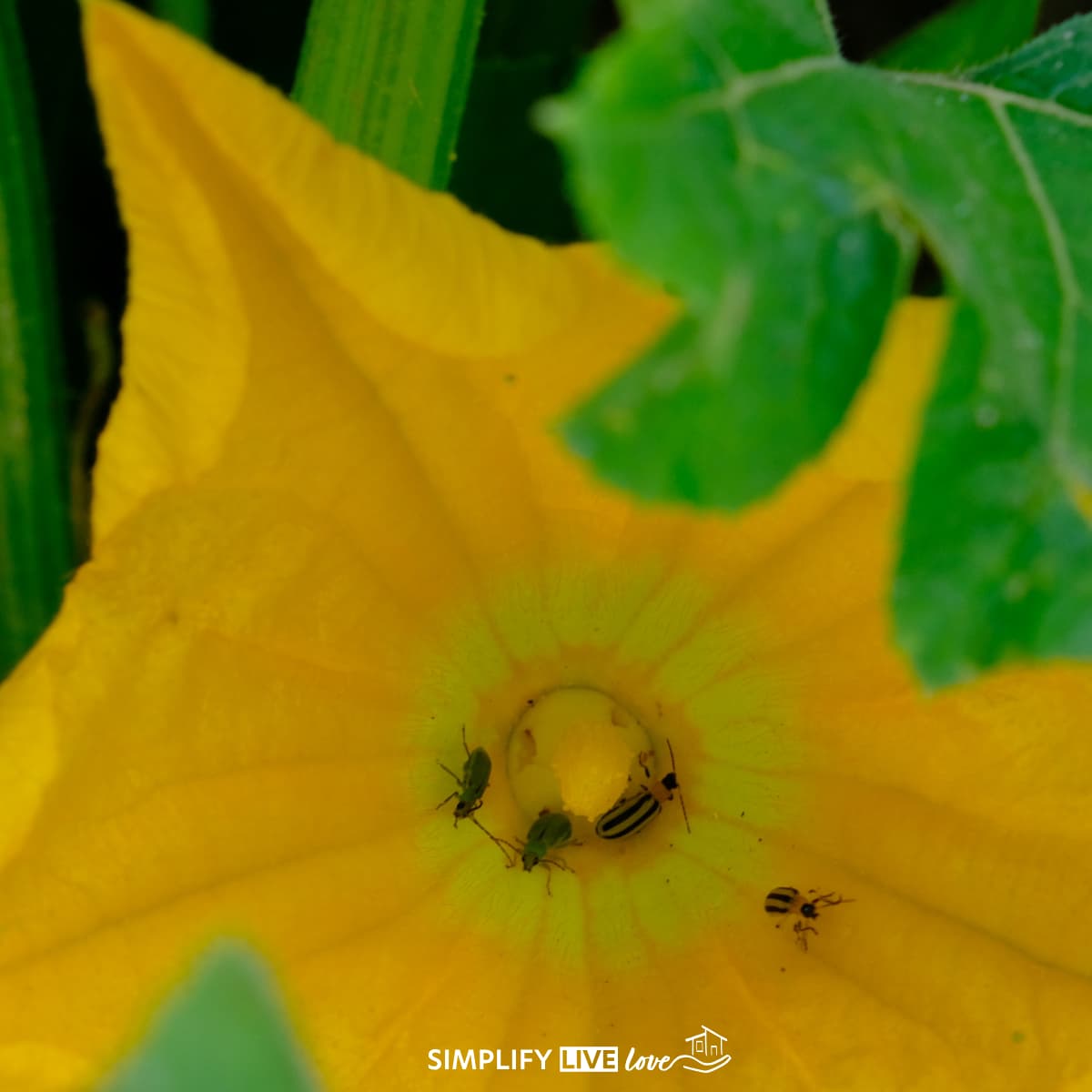
How to Get Rid of Cucumber Beetles
Cucumber beetles destroy cucurbit crops quickly. Catching them early in the growing season is the best way to stop them.
- 🪰 Identify the species of cucumber beetle (striped or spotted)
- 🧼 Hand-pick adult cucumber beetles into a bucket of soapy water
- 🌱 Use floating row covers to protect young plants
- 🟨 Place yellow sticky traps near the base of plants
- 🌿 Apply neem oil or kaolin clay for organic insecticide application
- 🪲 Encourage natural predators like the spined soldier bug and green lacewing
✅ Want to protect your entire garden this year? Learn more about natural pest control techniques here.
Table of Contents

What Are Cucumber Beetles?
Before you can get rid of cucumber beetles, you need to know what you’re looking at. There are two main types I’ve seen in my Iowa garden:
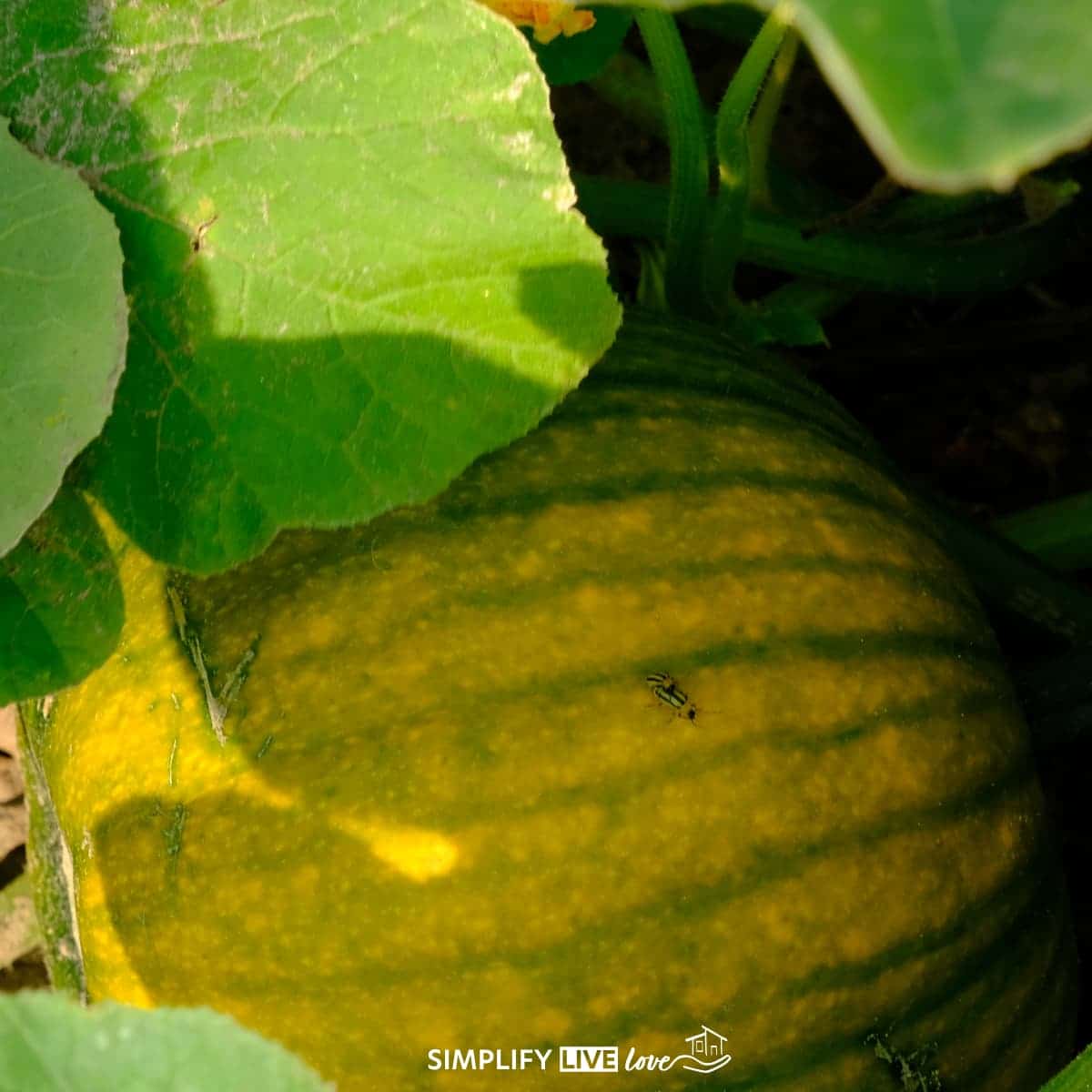
- Striped cucumber beetle (Acalymma vittatum): Yellow body with three bold black stripes running lengthwise, black head. About ¼ inch long.
- Spotted cucumber beetle (Diabrotica undecimpunctata): Bright yellow-green with 12 black spots and a yellow abdomen. Also about ¼ inch long.
Both species target cucurbit crops — cucumbers, zucchini, melons, squash, and pumpkins — and both are capable of doing serious damage. They chew through leaves, flowers, and fruit, and they lay eggs at the base of your plants so their larvae can attack the roots too.
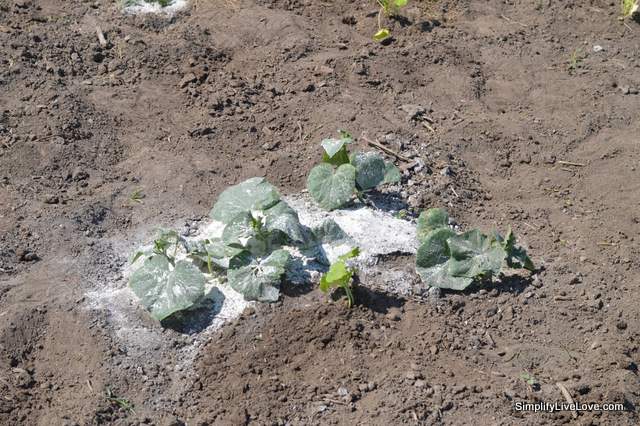
The reason cucumber beetle damage is so devastating isn’t just the feeding. It’s what they carry. These beetles are vectors for bacterial wilt (Erwinia tracheiphila), a disease that can kill a healthy cucumber plant seemingly overnight. One day it’s fine; the next it’s collapsed and there’s nothing you can do.
The University of Maryland Extension has a thorough breakdown of how striped cucumber beetles transmit bacterial wilt if you want to understand exactly what’s happening inside your plants. That’s why early prevention and control matter so much.nd them chewing through leaves and flowers and laying eggs at the base of my plants. Worse, they spread bacterial wilt, which has killed more than a few of my cucumber plants overnight.
Understanding the Cucumber Beetle Life Cycle
Knowing the life cycle is the key to effective cucumber beetle control because the right action at the right time makes all the difference.
- Overwintering adults shelter in garden debris, leaf litter, and woody edges near the garden through winter. As soon as soil temperatures climb above 55°F in spring, they emerge hungry and ready to feed.
- Spring feeding and egg-laying happens fast. Adults immediately target any cucurbit seedlings they can find and begin laying tiny orange-yellow eggs at the base of plants in the soil.
- Larvae hatch in about two weeks and feed underground on plant roots through early summer before pupating in the soil.
- Second-generation adults emerge in mid-summer (typically July–August) for another round of feeding, which is why you often see two waves of cucumber beetle damage in a season.
Understanding this cycle is why early monitoring, fall cleanup, and crop rotation matter so much — you’re not just fighting what you can see, you’re disrupting the beetle’s ability to overwinter and reproduce.

How to Get Rid of Cucumber Beetles: 8 Organic Methods
1. Start Monitoring Early in Spring
The single most effective thing I’ve done is start watching for beetles before I think I need to. As soon as my seedlings emerge, I’m out there checking. I place yellow sticky traps near the base of plants — yellow mimics the color of squash blossoms and attracts the beetles. When I first started doing this, I was shocked by how many I caught before I ever saw visible damage.
Early detection is everything. A small infestation is manageable. A large one is war.
2. Use Floating Row Covers on Young Plants
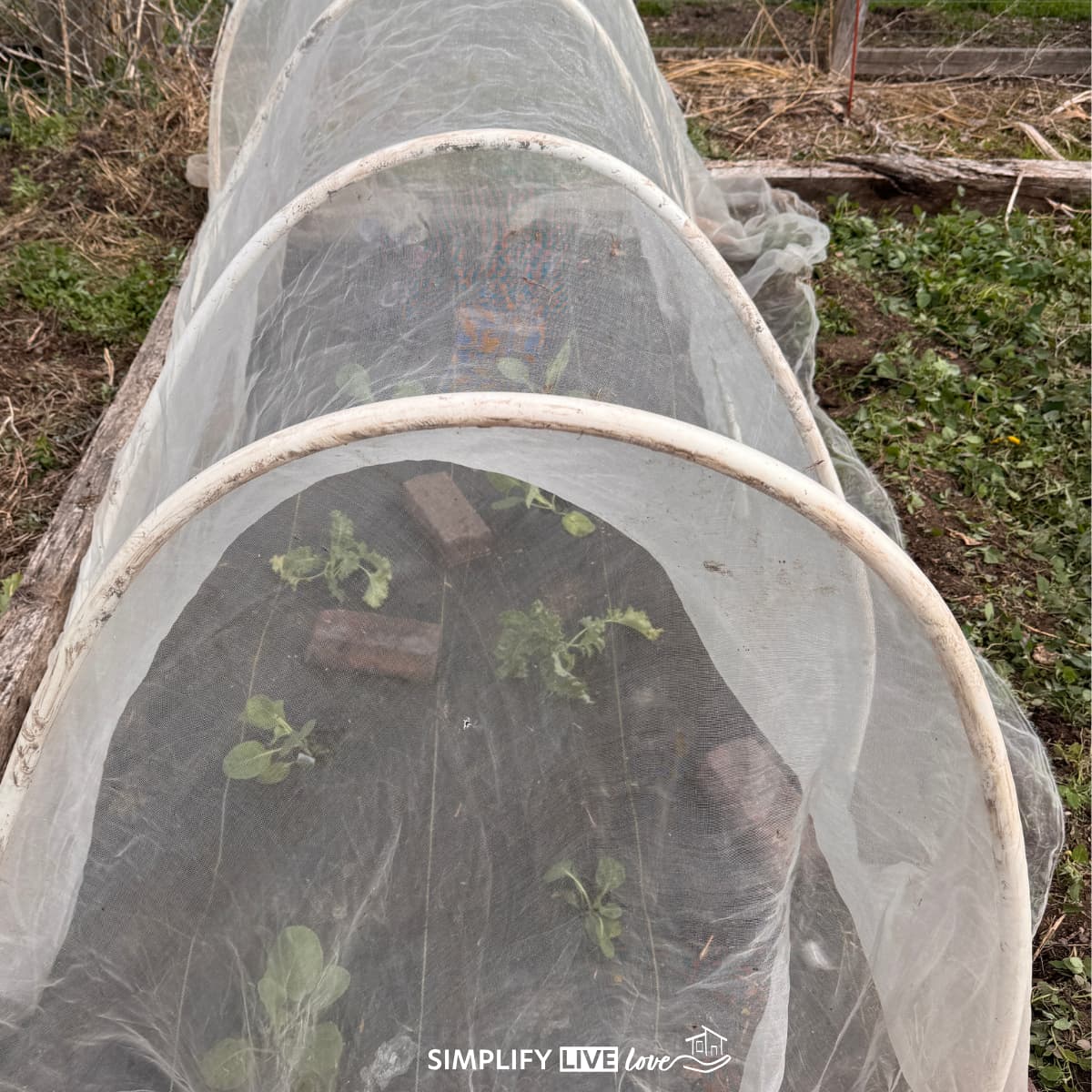
Row covers have been a game-changer for me. I lost an entire early crop before I started using them, and I haven’t had that problem since. The idea is simple: cover your young cucurbit transplants with a lightweight floating row cover immediately after planting to create a physical barrier the beetles can’t cross.
Keep the covers on until your plants start flowering — then remove them so pollinators can do their job. This is the most effective prevention method I’ve used, especially in the critical first few weeks after transplanting. If you’re growing in a raised bed, my guide to growing cucumbers in raised beds covers setup and pest prevention together.
Here’s an easy way to cover a raised garden bed if you need a setup guide.
3. Try a Trap Crop Strategy
One of the cleverest organic tricks I’ve tested is using a trap crop. About two weeks before I plant my main cucurbit crops, I put in a few Blue Hubbard squash plants at the edge of the garden. Cucumber beetles are highly attracted to Blue Hubbard — they’ll flock to it over almost anything else.
Once beetles congregate on the trap crop, I hand-pick them every morning or spray with an organic insecticide. It won’t eliminate the problem entirely, but it dramatically reduces pressure on your main plants. Other winter squash varieties and zucchini also work as trap crops.
4. Hand-Pick and Use an Insect Vacuum
It sounds tedious, but hand-picking works — especially if you catch the infestation early. I go out in the early morning when beetles are slower and flick them into a bucket of soapy water. The soap prevents them from crawling out.
When things got bad one year, I borrowed a handheld insect vacuum, and it was surprisingly satisfying and effective. You can also buy vacuums made specifically for garden insects that are gentler on plants.
5. Apply Diatomaceous Earth (DE)
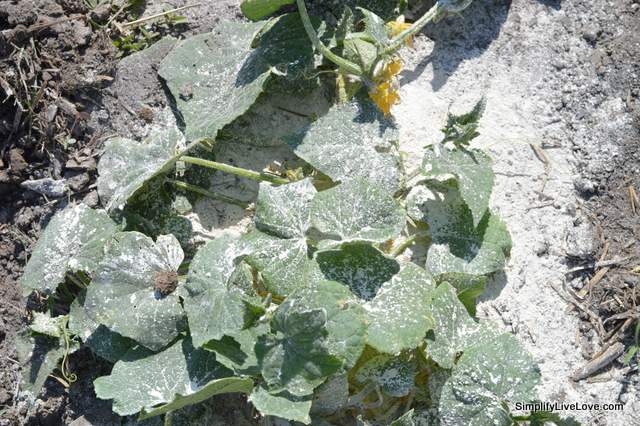
Food-grade diatomaceous earth was my first big organic win against cucumber beetles. DE is a fine white powder made from fossilized diatoms — under a microscope it looks like shards of glass, and it’s lethal to any insect with an exoskeleton.
I sprinkle it around the base of my plants and lightly dust the leaves as well. Most beetles are gone within a day or two. The catch: you must reapply after every rain or about every 4–5 days, and it works best when you’re treating a small infestation early rather than a large one that’s already out of hand.
Important: Don’t apply DE to open flowers, as it can harm bees. Apply it in the evening after flowers close for the day — beetles don’t typically infest the flowers, and bees won’t be active then.
6. Spray Organic Insecticides
When beetle pressure is high, a few organic sprays can help:
- Neem oil: Disrupts the feeding and reproductive cycles of cucumber beetles. I use it as a preventative spray in the early morning or evening. It’s slightly toxic to bees, so avoid spraying open flowers.
- Kaolin clay (sold as Surround WP): This coats leaves with a fine powdery film that confuses and deters beetles. It’s one of the most effective organic options for heavy infestations. Reapply after rain.
- Spinosad: A naturally derived insecticide that’s effective against cucumber beetle larvae when applied as a soil drench. Good for targeting the next generation before they emerge.
- Pyrethrin: A fast-acting botanical insecticide derived from chrysanthemum flowers and approved for organic use, though use with caution as it’s toxic to bees and beneficial insects. Apply in the evening only, never on open flowers.

7. Companion Planting to Repel Cucumber Beetles
Certain plants can help make your cucurbit beds less attractive to cucumber beetles. I’ve had good results interplanting with:
- Nasturtiums — a known deterrent and great for attracting beneficial insects
- Radishes — planted at the base of cucurbit hills
- Onions — their scent confuses and repels beetles
- Marigolds — deterrent effect and they attract pollinators
- Catnip — research has shown this to be effective at repelling cucumber beetles
The key with companion planting is to do it from the start, not as a rescue strategy. Plant your companions at the same time as your cucurbits so they’re already in place when the beetles arrive. (Squash bugs are attracted to many of the same plants — if they’re also a problem in your garden, read my guide on preventing squash bugs naturally.)
For more ideas, read my full companion planting guide.
8. Support Beneficial Insects
Over time, I’ve worked to make my garden more hospitable to the insects that prey on cucumber beetles. Spined soldier bugs, green lacewings, braconid wasps, and tachinid flies all feed on various stages of cucumber beetles.
To attract them, I plant flowers like dill, alyssum, calendula, and lemon balm around my garden beds. Beneficial nematodes applied to the soil can also target larvae before they pupate.
The more natural predators you have working for you, the less you’ll need to intervene yourself.
Preventing Cucumber Beetles Next Year
Getting rid of cucumber beetles this season is only half the battle. Here’s how to reduce the problem next year:
Clean up in fall. Adult beetles overwinter in garden debris, dead plant material, and mulch. After your last harvest, pull everything out and compost or dispose of it. This is one of the highest-impact things you can do.
Rotate your crops. Don’t plant cucurbits in the same spot two years in a row. Rotating gives overwintering beetles nothing to find when they emerge. If you’re looking for a smart planting arrangement that naturally mixes crops, my Three Sisters Garden guide is worth a read — corn, beans, and squash together create natural diversity that makes it harder for any one pest to take over.
Delay planting. In northern climates, delaying your cucurbit transplants by 2–3 weeks past the typical date can mean beetles emerge, find nothing, and move on before your plants go in. This isn’t always practical, but it can reduce first-wave pressure significantly.
Choose resistant varieties. Some cucumber varieties — particularly “burpless” types — contain lower levels of cucurbitacin, the compound that attracts cucumber beetles. Worth experimenting with if beetles are a recurring problem.

Cucumber Beetle Damage: What to Watch For
Catching cucumber beetle damage early starts with knowing what to look for:
- Ragged holes in leaves, especially on young seedlings
- Scarring or pitting on fruit
- Flowers being eaten before they can be pollinated
- Sudden wilting that doesn’t respond to watering (this is bacterial wilt — act fast if you see it)
- Yellow and black beetles clustered on leaves, in flowers, or at the base of stems
If you suspect bacterial wilt, do the stem test: cut a wilting stem near the base, hold the two cut ends together for 10 seconds, then pull them apart slowly. If you see sticky threads stretching between the cut ends, bacterial wilt is confirmed. Unfortunately, infected plants cannot be saved — remove and dispose of them immediately to prevent spread.
Frequently Asked Questions
What kills cucumber beetles instantly? Pyrethrin-based sprays kill adult cucumber beetles on contact. Spinosad is also fast-acting. For organic gardeners, neem oil and DE are slightly slower but highly effective with consistent application.
Do cucumber beetles come back every year? Yes. Adult beetles overwinter in debris near the garden and emerge each spring. Consistent fall cleanup, crop rotation, and early-season monitoring are your best tools for keeping populations manageable year after year.
What plants repel cucumber beetles? Nasturtiums, radishes, marigolds, catnip, and onions are all known to deter cucumber beetles to varying degrees. Interplanting these throughout your cucurbit beds from the start of the season helps reduce beetle pressure.
Can cucumber beetles kill plants? Yes, in two ways: through direct feeding damage that weakens plants, and through transmitting bacterial wilt, which can kill a plant within days. Bacterial wilt is typically more deadly than the physical feeding damage.
When do cucumber beetles appear? In most of the US, striped cucumber beetles emerge when soil temperatures reach 55°F — typically late April through May in the North, earlier in the South. A second generation appears in mid-to-late summer.
Is diatomaceous earth safe to use around vegetable plants? Food-grade DE is non-toxic to humans, pets, and plants. The caution is around pollinators — avoid applying it to open flowers or during peak pollinator hours. Apply in the evening after flowers close, and reapply after rain.
My Cucumber Beetle Battle Plan (What I Actually Do Each Year)
For what it’s worth, here’s how I approach it now after years of trial and error:
- Early spring: Set out yellow sticky traps as soon as seedlings go in. Plant companion flowers alongside cucurbits.
- At transplant: Cover everything with floating row covers immediately.
- 2 weeks before planting main crop: Put in Blue Hubbard squash as a trap crop at the garden edge.
- Weekly: Check traps, hand-pick what I find, apply DE around the base of plants if I’m seeing activity.
- When row covers come off: Switch to neem oil sprays (early morning) as a preventative.
- End of season: Pull everything, rotate next year’s cucurbit location on paper before I forget.
It’s not a silver bullet — cucumber beetles are one of the hardest garden pests to eliminate completely. But catching them early, stacking multiple methods, and staying consistent has made an enormous difference in my harvests.
Have you found something that works against cucumber beetles? I’d love to hear about it in the comments. And if you’re fighting other garden pests, check out my organic pest control series for more guides like this one.
Welcome to the HOW TO KILL GARDEN PEST SERIES!
Who knew gardeners could take such pleasure in murdering annoying garden pests. If you garden, you’ll want to check out on the posts in this HOW TO KILL series. I’m adding new posts to this series each week, so subscribe to my newsletter if you want to know when they’re ready!














Ooo, will the DE work on ants too do you suppose? Maybe I need to get some. I don’t put down borax because of the cats.
Do post an update about the beetles when you get back! I am interested in hearing how this works out.
As long as ants have an exoskeleton, I guess it would work. I posted a pretty effective homemade ant bait: https://simplifylivelove.com/2013/05/frugal-friday-effective-homemade-ant-bait.html. I’ll let you know how it works out!! Fingers crossed!
@Michelle, a mix of equal parts borax and white sugar will kill ants. They take it to their nest and it kills all.
Have you tried parasitic nematodes? They’re expensive, but I’ve read good things about them.
I have not tried parasitic nematodes but I have read that they work! Thanks for the suggestion.
They are only good for soil dwelling organisms. I am using DE now. I found them early and only a few a day. I crush a group of eggs under a leaf and the adults when I see them. Just dusted today.
how do Striped Cucumber Beetles drink?
It’s good to hear your garden is growing well. The potatoes story must be an interesting one, too.
To minimize impact on honey bees, spread the DE in the evening after the cucumber flowers close for the night. The bees to not typically crawl around on the leaves or ground and the beetles do not infest the flowers much.
I tried food grade DE on my plants last summer and it destroyed my 4 pepper plants, and my mint and tomato lost their leaves and had to struggle back. Definitely interfered with tomato production.
What happened?
Hi Ann, I’ve never heard of that happening with DE. 🙁 Are you sure it was because of the DE? How and where did you apply it?
How often did you have to reapply the DE? How did it work out for the season? I read this today and ran outside to spread the DE as my Zucchinis are affected by the yellow striped bugs. I have DE on hand because I have chickens.
Thanks
Hi Paula, you have to reapply after a rain or every 4-5 days or so. It works well for a while and then I give up, honestly. It just depends on how badly the bugs have infected your plants before you start. If I catch them quickly and treat early I have much more success than if they get out of hand before I do anything. Good luck!!
I’ve used DE on all my plants to control aphids (particularly on my pepper plants), leafhoppers, and now cucumber beetles. I have never had it harm any plant whatsoever. I live on a farm in the Texas panhandle, and am surrounded by wheat and corn crops; and also have a pasture that naturally grows buffalo gourds (which grow from enormous tubers and spread like wildfire if attempted to dig up). The buffalo gourds stay covered in cucumber beetles, which I felt was luring in the beetles closer to my garden ( I’ve now decided it’s likely irrelevant after keeping them torched to the ground multiple seasons and still fighting cucumber beetles like crazy). I use row covers, companion plants, & surround, which works very well, but requires reqular reapplication to new growth and after rains; and is just Extremely messy, but it is the only way I’ve found to have any kind of cuc/pumpkin harvest. This year, after still loosing my pumpkin plants last year to bacterial wilt, I’ve decided to grow these plants in my greenhouse and hand pollinate. I’m using the DE in the greenhouse heavily, as yes; I’ve still caught a couple beetles inside the greenhouse. I have not applied the surround yet, if I can keep things under control with the DE (hoping). I love spinosad for many pests, but for the level of beetles I have, it’s simply not effective (Captain Jack’s dead bug brew and fertilome brands). I’ve also used peppermint oil diluted as a spray which the plant leaves did seem to love, but not effective with beetle war and counter productive if using surround or DE. Traps/lures also found to be useless (caught a couple, but hundreds on plants). Greatest of luck to anyone else struggling with these demons!
Thanks for your perspective. They really are the most horrid of all garden pests that I’ve dealt with. Hope the greenhouse growing goes well! <3
Going from a large number to just around ten is quite the accomplishment. It must have really startled you when you saw the masses for the first time.
Going from a large number to just around ten is quite the accomplishment. It must have really startled you when you saw the large group for the first time.
What a quick and simple way to get rid of such a destructive insect! Thanks for providing the safety tips for handling DE as well, you definitely don’t want to end up hospitalized for making such a simple mistake. Great guide!
you can try salt. 1 liter water and 1/2 teaspoon of salt. then spray it every morning. Salt is also source of nitrogen and its good for plants
Salt is Sodium Chloride, which has no nitrogen at all. Are you perhaps confusing the chemical symbol Na (sodium) with N (nitrogen)? Most plants have tolerance only to a small amount of salt and overdoing it could easily mess up the carefully balanced pathways of water and nutrients in the root system.
With the nationwide demise of important bees, I can’t fathom how you can advise people to just overlook the fact that their use of DE will further destroy local bees populations. And of course, dead-no bees in your garden means no fruit. Is this really the most thoughtful and educated approach to gardening? Golly.
My thoughts exactly!
After cucumbers coming out my ears for two months cucumber beetles put the skids to production . I have been spraying with water & Dawn every evening & it is helping. Watch my butternuts like a hawk & kill all I can find. Will be burning EVERYTHING from the garden as it is done!