Early Spring Garden Chores You Shouldn’t Skip This Year

on Feb 04, 2026
This post may contain affiliate links. Please read our disclosure policy.
Early spring gardening sets the tone for the entire growing season. What you do now affects soil health, plant growth, and harvest success months from now. This early spring garden checklist covers the most important chores to tackle before planting season ramps up, whether you garden in raised beds, containers, or in-ground plots. These tips work across many climates, with Zone 5 timing notes included where it helps.
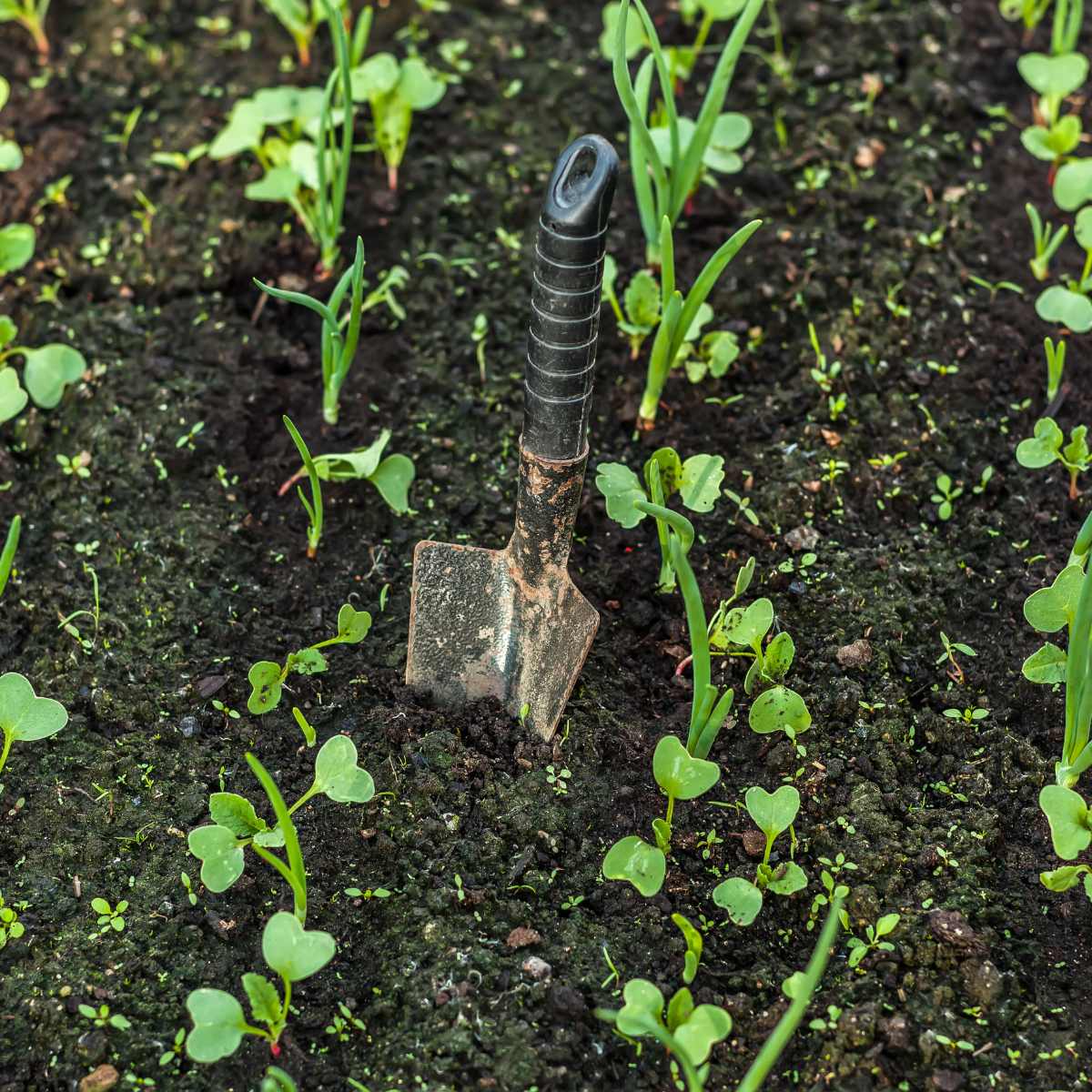
Table of Contents
- TL-DR – Spring Gardening Chores
- Check Soil Conditions Before Doing Anything
- Clean Up Garden Beds the Smart Way
- Prep Garden Beds for Spring Planting
- Direct Sow Cold-Hardy Vegetables
- Prepare for Late Frosts and Temperature Swings
- Make New Garden Beds
- Test the soil
- Organize your garden seeds
- Start your seedlings
- Plan your garden!
TL-DR – Spring Gardening Chores
No time to read the whole post? Here are the most important take-aways for successful early spring garden prep.
- 🌱 Wait for soil to dry before working garden beds
- 🍂 Clean up winter debris while leaving habitat for pollinators
- 🧑🌾 Prep garden beds before planting
- 🌿 Direct sow cold-hardy vegetables
- 🌼 Start seeds indoors at the right time
- ✂️ Prune and assess perennials and berry bushes
- 🧣 Protect plants from late frosts
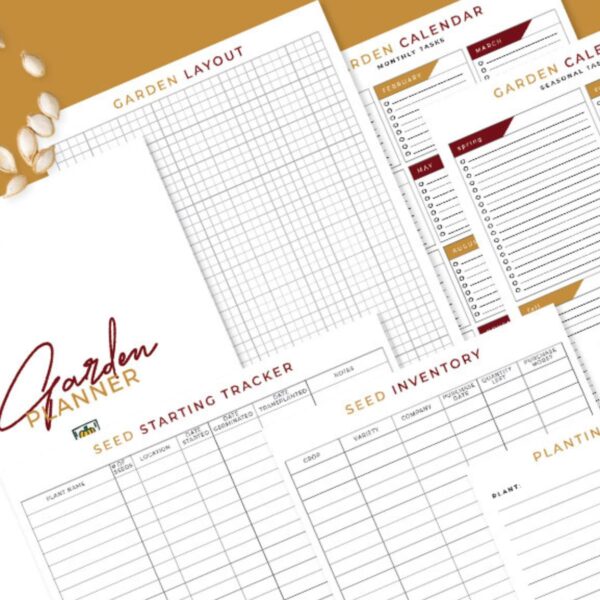
Want a handy place to track your gardening? Make sure to grab my free printable garden planter!
Check Soil Conditions Before Doing Anything
Don’t work wet soil in early spring
This is the biggest early-season mistake. If soil sticks together or feels slick, wait. Working wet soil causes compaction that lasts all season.
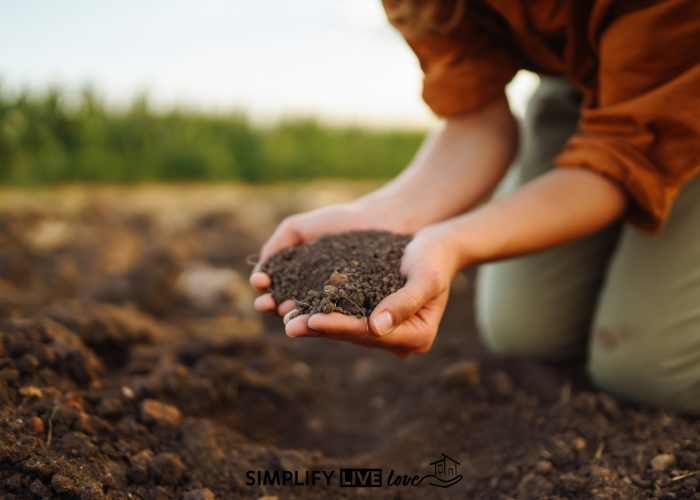
Quick test: Grab a handful of soil. Squeeze it. If it forms a tight ball, it’s too wet.
Zone 5 note: This often means waiting until mid-to-late March, sometimes later if there’s been a lot of snowmelt.
Clean Up Garden Beds the Smart Way
Remove debris without overdoing it
Clear dead annuals, fallen branches, and matted leaves. Leave some organic matter in place to protect soil life.
Leave early spring pollinator habitat
Hollow stems and leaf piles shelter beneficial insects. Cut plants back gradually instead of clearing everything at once.
Prep Garden Beds for Spring Planting
Loosen soil and add organic matter
Once soil is dry, loosen the top few inches. Add compost or aged manure. Avoid deep tilling if possible. Healthy soil warms faster and drains better.
Refresh raised beds
Raised beds dry and warm earlier than in-ground beds. Top them off and check edges for winter damage.
Direct Sow Cold-Hardy Vegetables
Vegetables you can plant early
Which vegetables to plant in March depends substantially on your hardiness zone. My cold growing zone, 5b, will be a lot different from someone else’s more temperate zone.
These crops tolerate cool soil and light frosts so they can be planted as soon as the ground is workable and the temps are warming up in the 40s.
- Peas
- Carrot
- Radish
- Lettuce
- Arugula
- Spinach
- Potatoes
Cool season annual flowers such as pansies can be planted in March as well. Just make sure the soil has warmed up and is dry enough to work. Pansies can tolerate a light frost but will not survive significant freezing temperatures.
Zone 5 timing: Late March to early April, depending on weather. If the ground is workable, it’s often warm enough for these crops.
Prune and Assess Perennials
Prune while plants are still dormant
Early spring is ideal for fruit trees, berry bushes, and grapes. Remove dead, damaged, or crossing branches. Shape lightly.
Check for winter damage
Look for heaving, broken crowns, or rodent damage. Re-settle plants and mulch lightly if needed.
Prepare for Late Frosts and Temperature Swings
Have protection ready
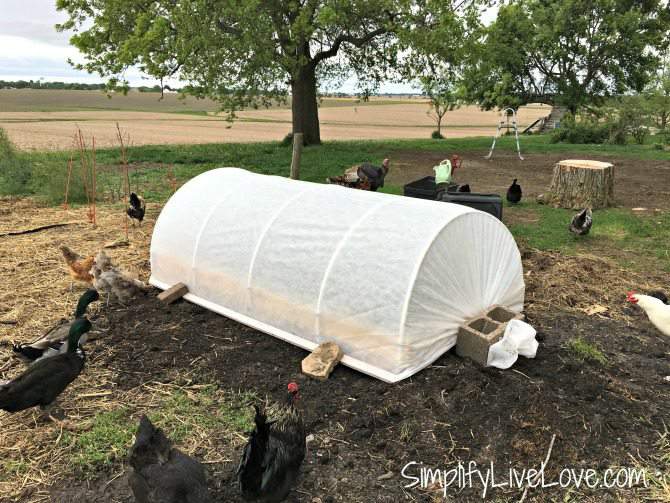
Spring weather changes fast. Keep row covers, old sheets, buckets, or frost cloth on hand. Cover plants on cold nights. Remove covers during the day.
Zone 5 reminder: Frosts can happen well into May.
If the sun isn’t shining soon enough, use a cold frame to extend the growing season of your vegetable garden. Start cool season vegetables like lettuce, spinach, and other spring greens in the cold frame. Soon you’ll be harvesting yummy greens for your dinner table.
This tutorial will help you easily cover your garden beds.
Pin this now to find it later
Pin It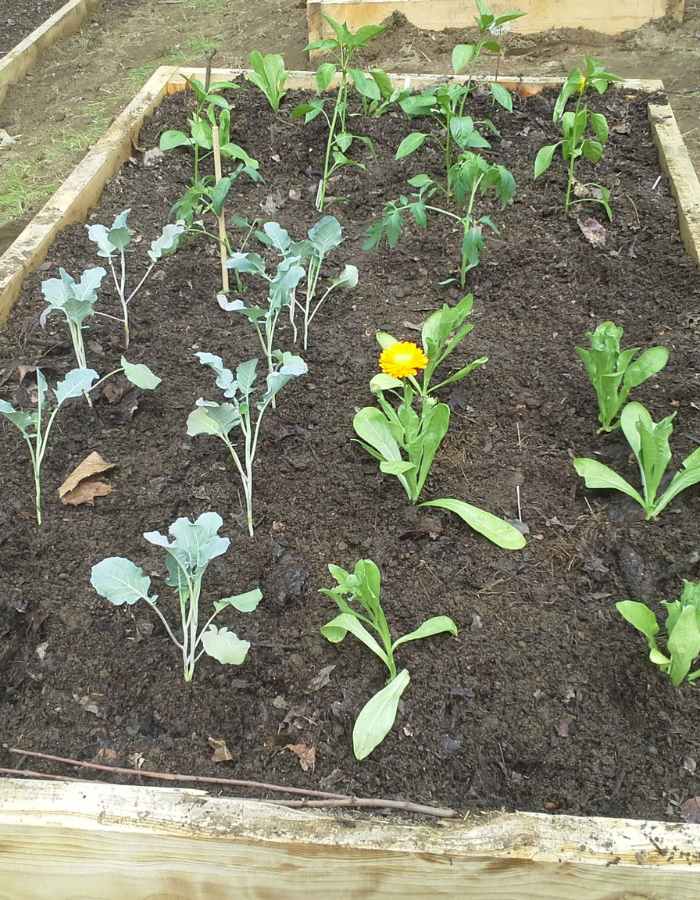
Make New Garden Beds
If you garden in beds, or would like to start, now is the perfect time to make new garden beds while you still have time. This is something you could have been working on all winter, too. You might also want to cover a couple of your garden beds to keep pests out and extend the growing season. This tutorial will help you easily cover your garden beds.
The nice thing about gardening in beds is they are usually ready to go before the ground. You don’t have till garden beds and you can put down plastic to help warm up the soil. If you don’t garden in beds, I recommend trying one out this year!
Test the soil
Now’s also the time to test your garden soil so you know what nutrients need to be added before the growing season starts. You can send a soil sample to a university extension office for a fee – or you can buy a kit and test your own.
Organize your garden seeds
If you haven’t already done this, now is the perfect time to inventory and organize your garden seeds. Make sure you have everything you need to get going and order whatever else you might need. You can read all about my favorite garden seed organizer here. I love it so much!
Start your seedlings
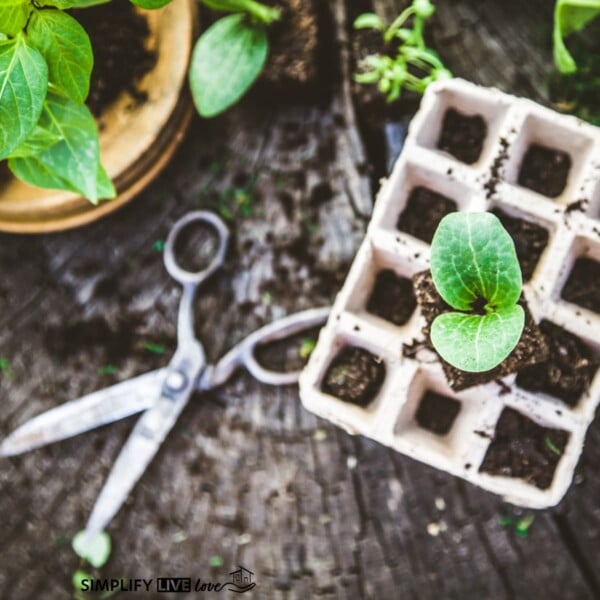
March is the time to start most of your garden seed indoors. Most seedlings need 6-8 weeks before the last frost date to grow big enough for planting. With an average last frost date of May 15, that’s right around the corner. Get my best tips and seed starting supply list here. I also have tips for starting indoors broccoli and other pesky brassicas – which can be a tricky type of seedling to start.
March is time to start the following seedlings:
- broccoli
- cabbage
- cauliflower
- tomatoes
- eggplant
- peppers
- flowers

Plan your garden!
If you haven’t planned out your garden, this is also the time to finalize your garden plan and draw it out. It’s important to draw it out so you can remember from year to year what you plant where.
Remember that you need to rotate crops so keeping track is pretty important. Here are my best garden planning tips to help you out. Grab my free garden planting guide here so you know exactly when to plant what!
How to Grow Garden Vegetables Series
Want to learn how to grow all the garden vegetables? Check out my How to Grow Series and learn to garden like a champ! More posts coming soon!
- How to Grow Broccoli from Planting to Harvest
- How to Grow Brussels Sprouts
- How to Grow Carrots from Planting to Harvest
- How to Grow Corn in Your Backyard Garden or Homestead
- 21 Tips for Growing Cucumbers in Raised Beds & Containers
- Beginner’s Guide to Growing Garlic
- How to Grow Lettuce Like a Champ
- How to Grow Big, Flavorful Onions from Planting to Harvest
- Growing Snap Peas, Shelling Peas, and Snow Peas
- Growing Potatoes the No-Dig Way
- What You Need to Know to Grow Yummy Big Strawberries
- How to Grow Rhubarb – Tips and Tricks for a Good Harvest
- 19 Secret Tomato Growing Tips
- How to Grow Zucchini in a Pot












Hi Michelle,
Over here in SW PA we’re in a similar boat. Still getting snow and cold temps but a few nice days in the 50s and 60s throughout the month. Still, I can’t wait to get out and clean up and start the season. Looking forward to sharing garden ideas with the group this season.
Did you get the big snow that hit the midwest last week, Patti! I’m looking forward to the group too. 🙂
I’m so behind on my planting this year it’s been so wet. But our garden is covered and I’m hoping it will dry out soon. I’m hoping to get my seedlings started soon.
I look forward to an update soon! Hope you’ve been able to start now, Shelly.
Dave just planted broccoli and kale last weekend out under his cold frames. We hope it warms up and dries out so they make it. We are so far behind this year. Even the grass and weeds are behind and that never happens!
OH! How fun for the grass and weeds to be behind. LOL! I haven’t checked on my garden since getting back from Germany. I scared over what I’ll find out there.
Yep, and interesting start to the gardening year everywhere I think – early warmth in some areas, blizzard in the east and more rain than we know what to do with (and that’s saying something!) in the west. 🙂 Thanks for the inspiration – here’s to a great season!
I’m looking forward to Tuesdays in the Garden again, Jami!! It’s so much fun collaborating with you. 🙂
Hey Michelle! This is such a great list you have compiled. We are still dealing with snow in NE as well. It’s making me antsy to get outside! I always say I’m going to test my soil, but I never do. This will change, thank you for the small push! You & I have similar seed organization methods. This is the perfect time to get everything in order! I’m planning out everything as we speak with the storm raging outside. Nothing like a few seed catalogs to keep me dreaming!
I’ve never done it either. Definitely doing so this year, Angie!! 🙂 I’m looking forward to another year of gardening with you.
Great tips to get us ready for another gardening season. Like Angie said in her comment, I always say I’m going to get my soil tested and have yet to do it. I really need to do that pronto!
I need to have my soil tested too. I’ve honestly never done it. Sounds like a great blog post. 🙂
Hello Michelle, I love gardening very much because it’s gives fresh fruits to eat, air to breath. I always spend my spare time in the garden. Thanks for sharing suc a great tips for my lovely garden.